The following is documentation of what I’ve learned from proposing and supervising the making of typical Reinforced Concrete (RC) planter boxes. It shall be continually updated accordingly.
Open Planter = Planter with soil mix directly connecting to the earth
Closed Planter = Planter with Slab underneath the soil mix (like a pot)
You may learn how to design a RC planter box from the following scenario and case studies:
(Do correct me if I am wrong on any aspect)
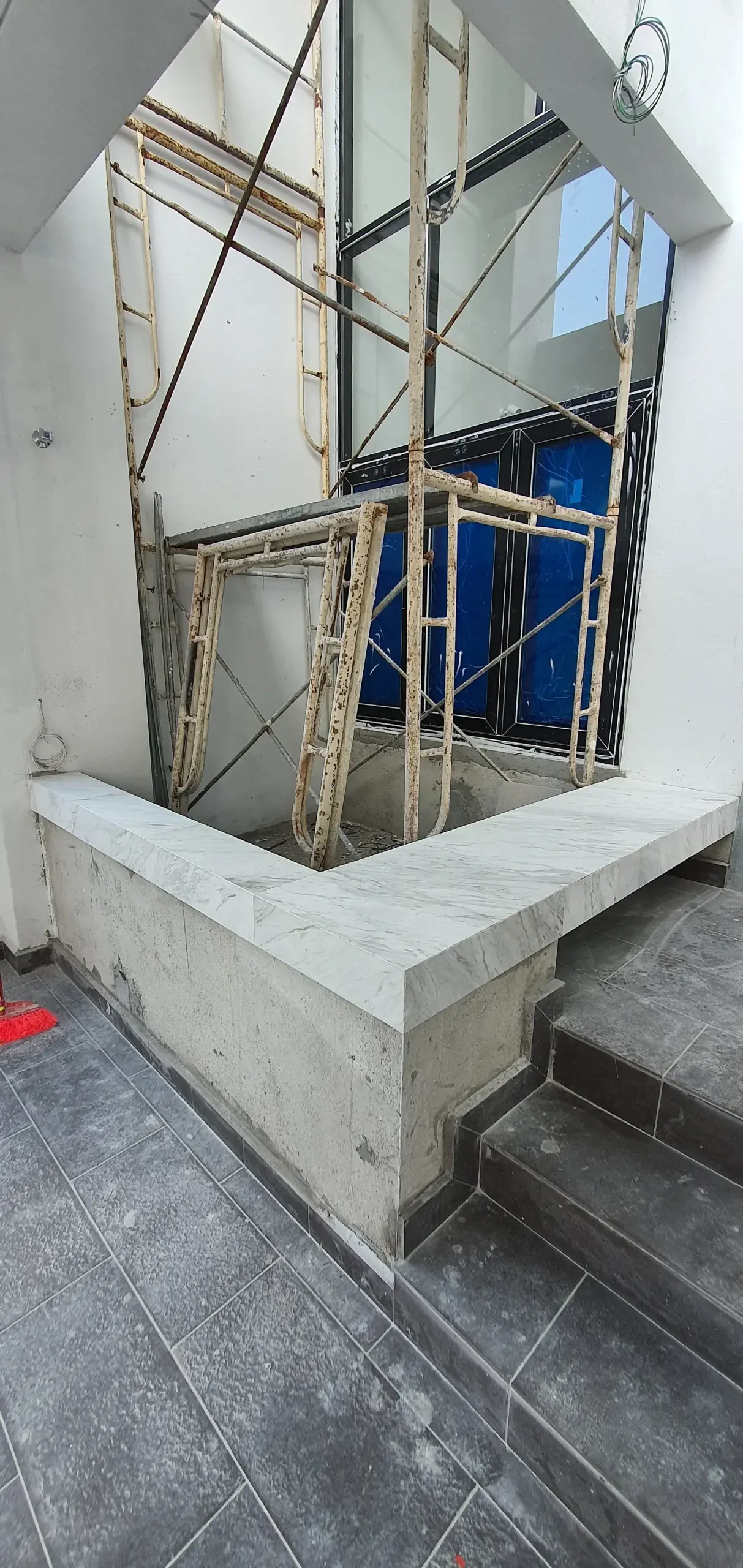
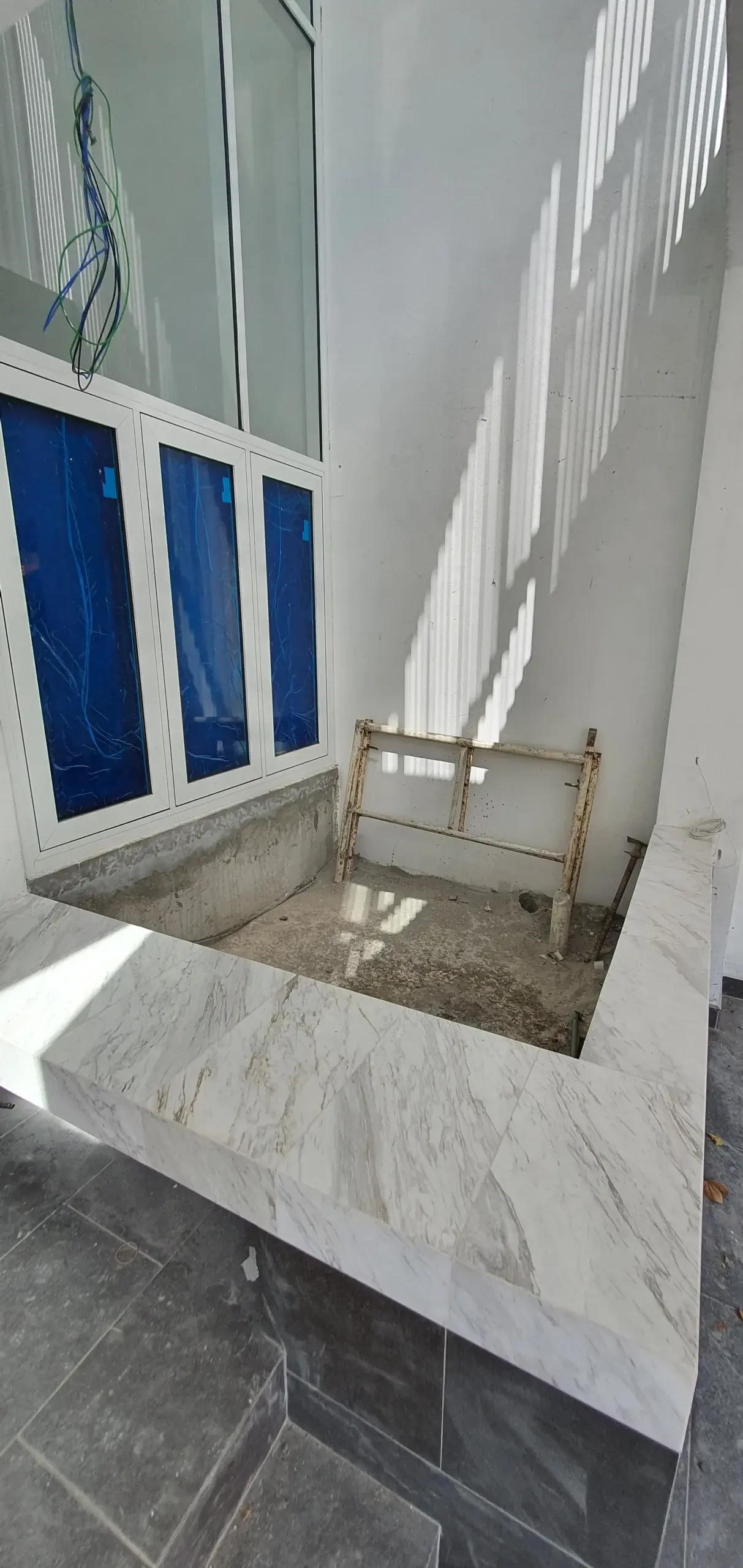
Scenario 1: Raised Open Planter with Seating Ledge
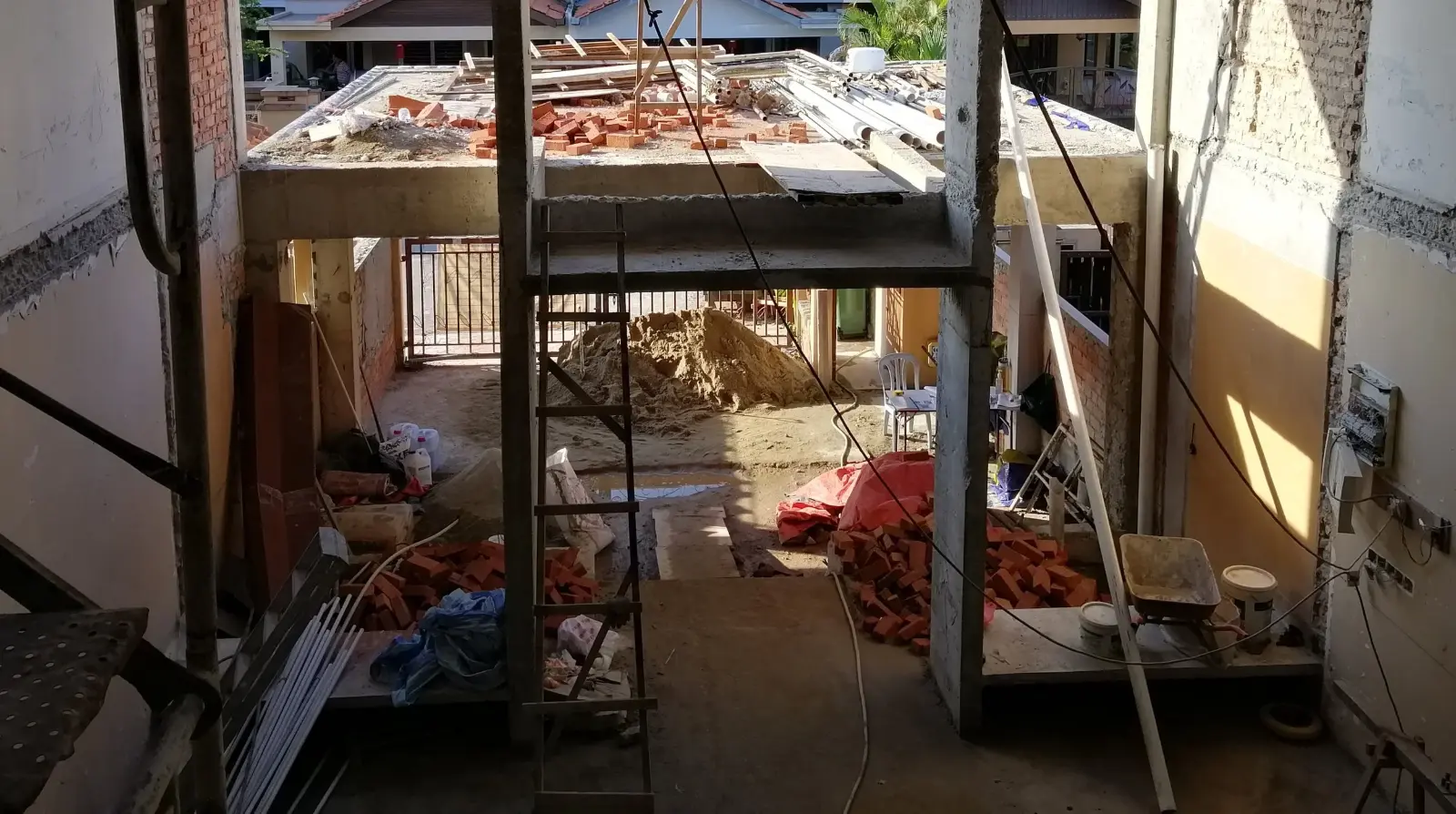
early site condition
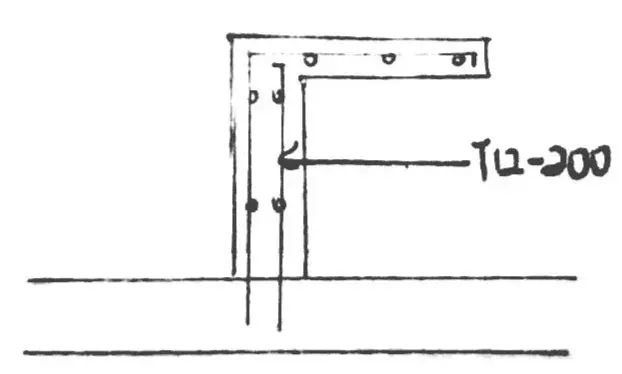
Planter RC Ledge Structural Sketch
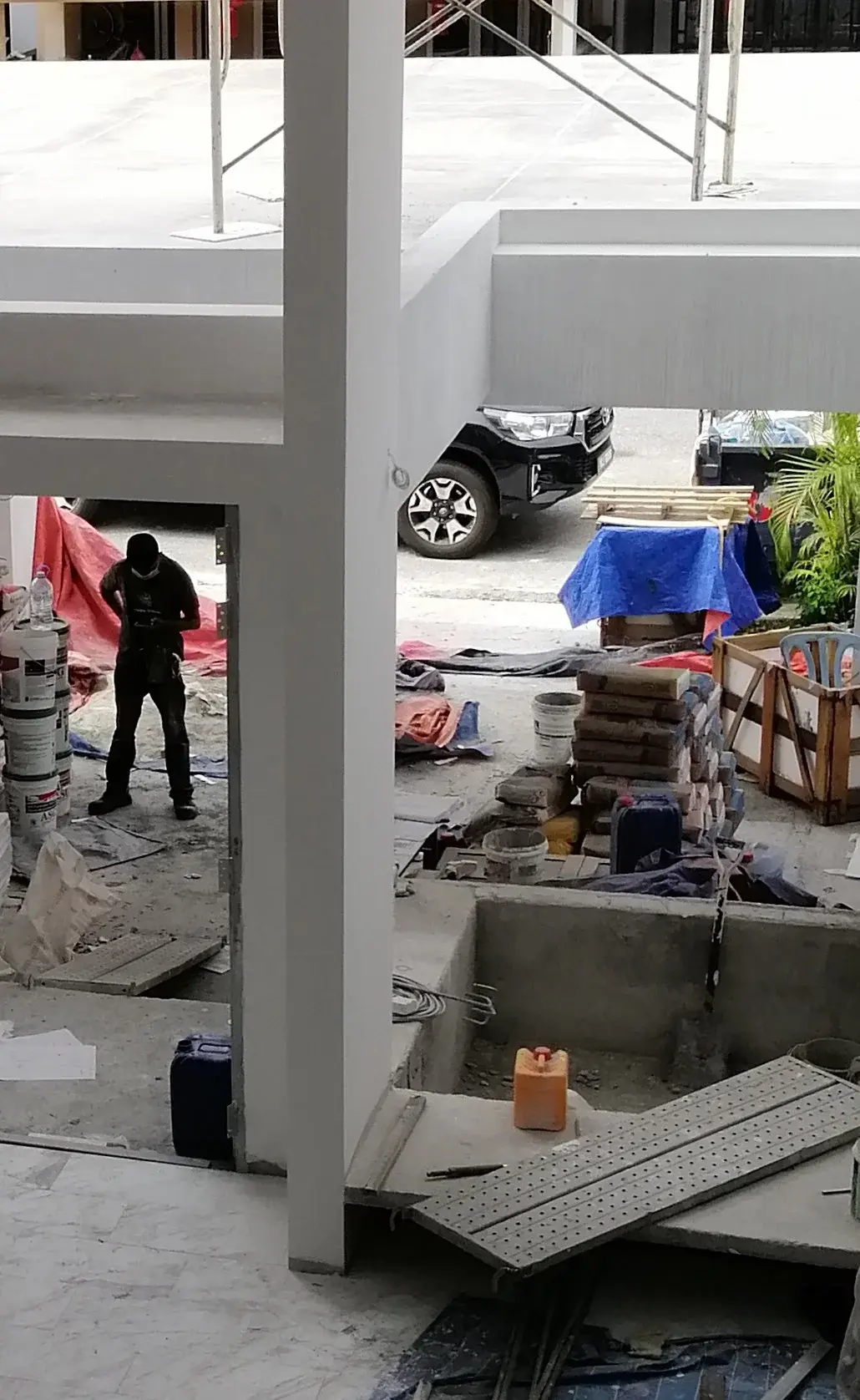
site condition when the planter box has just been constructed
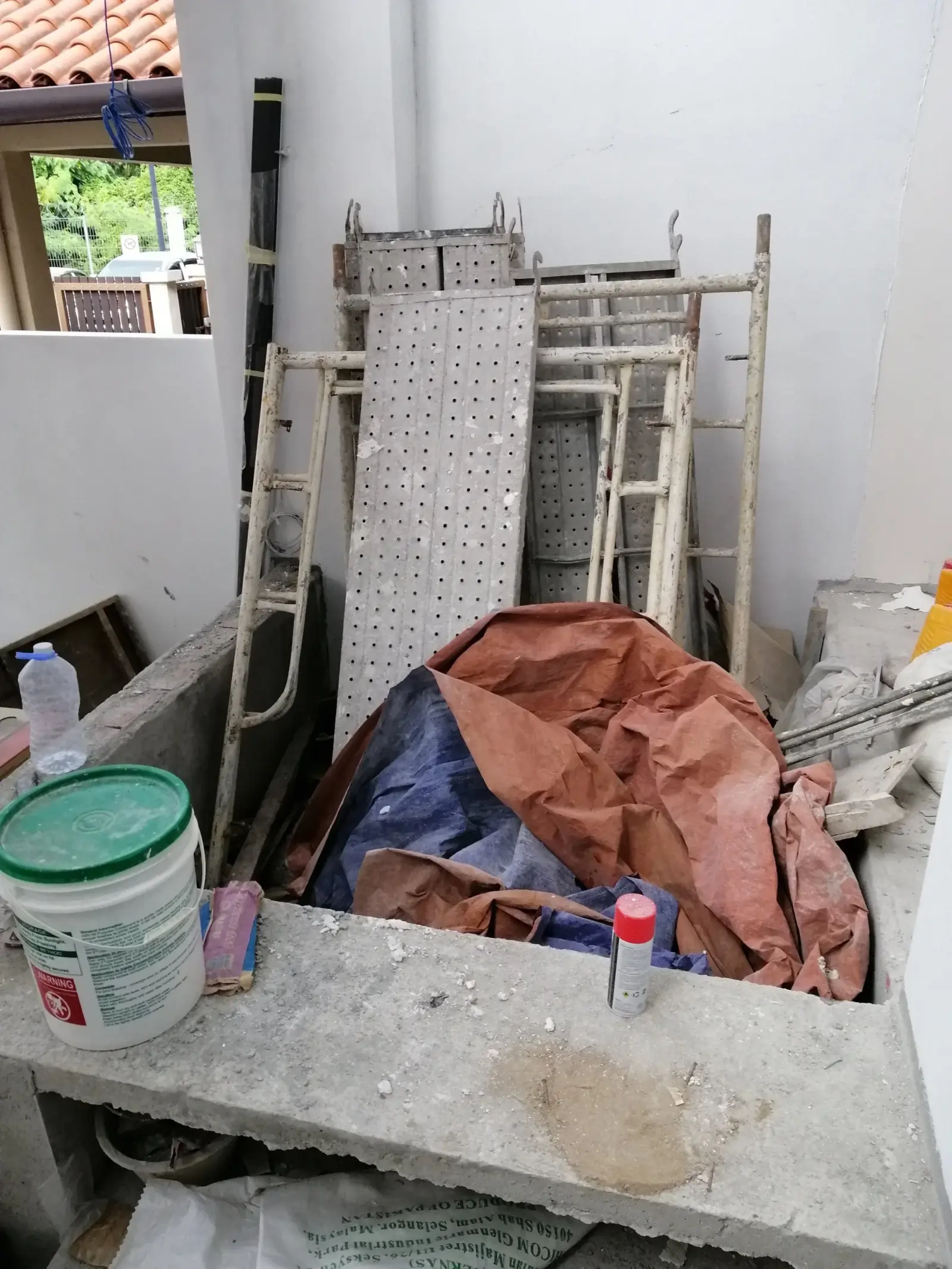
planter as storage
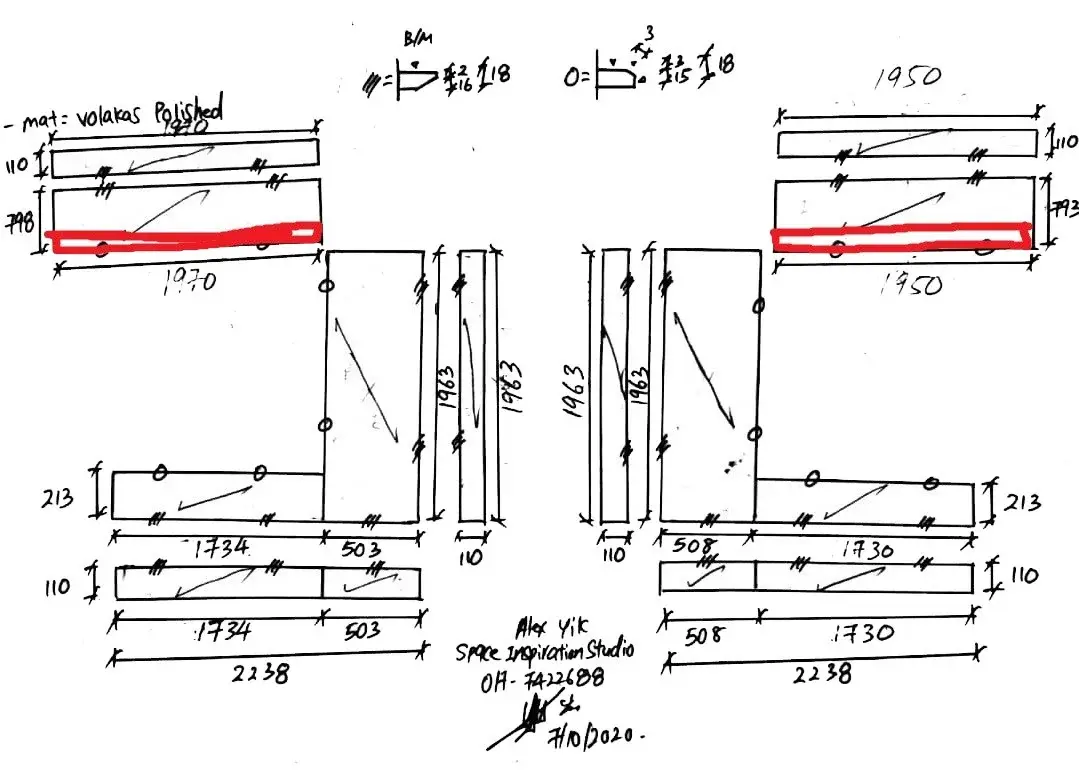
setting out sketch of the marble tiles over the RC ledge
the sketch of an discussion regarding the setting out of marble tiles with the stone installer
As the marble stones we used for this ledge are cut-to-size marble tiles in a very limited quantity, It is crucial to arrange them in a way where all have the same natural marble vein orientation and connect across different surfaces, with minimal wastage
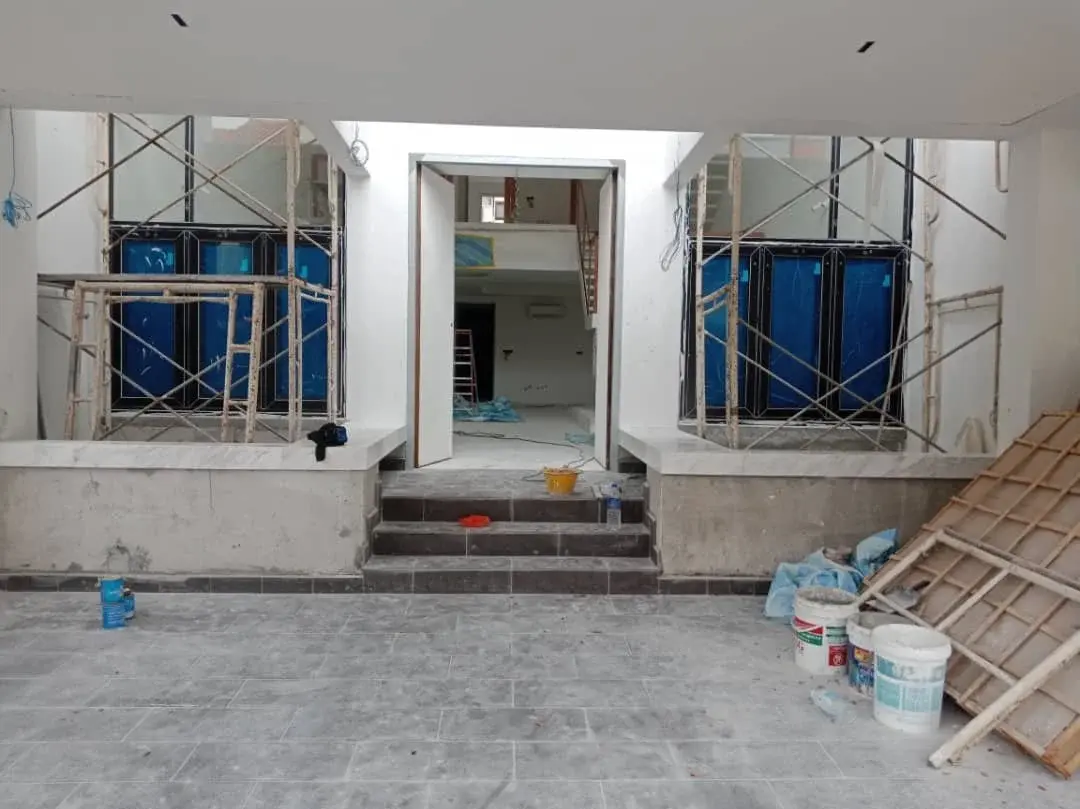
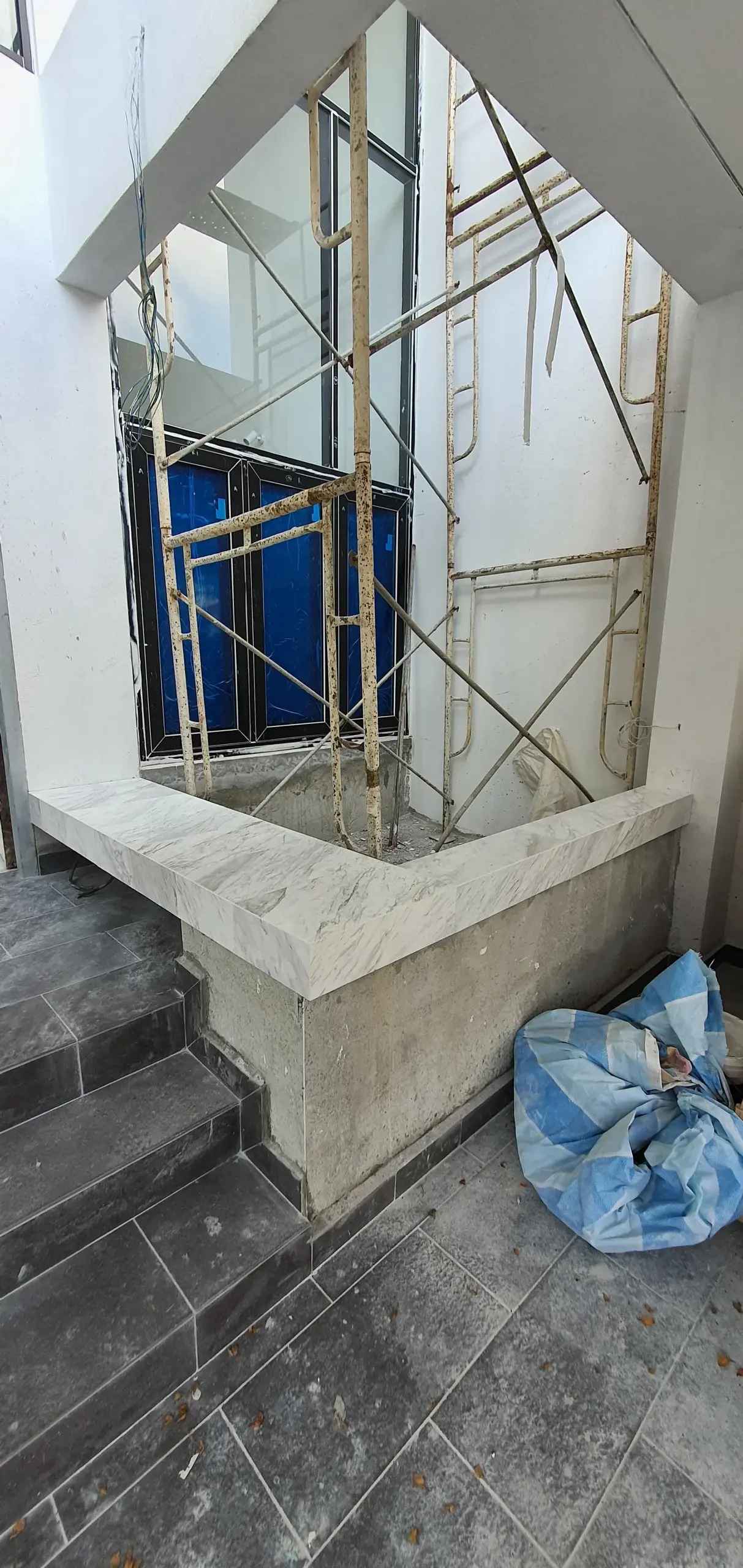
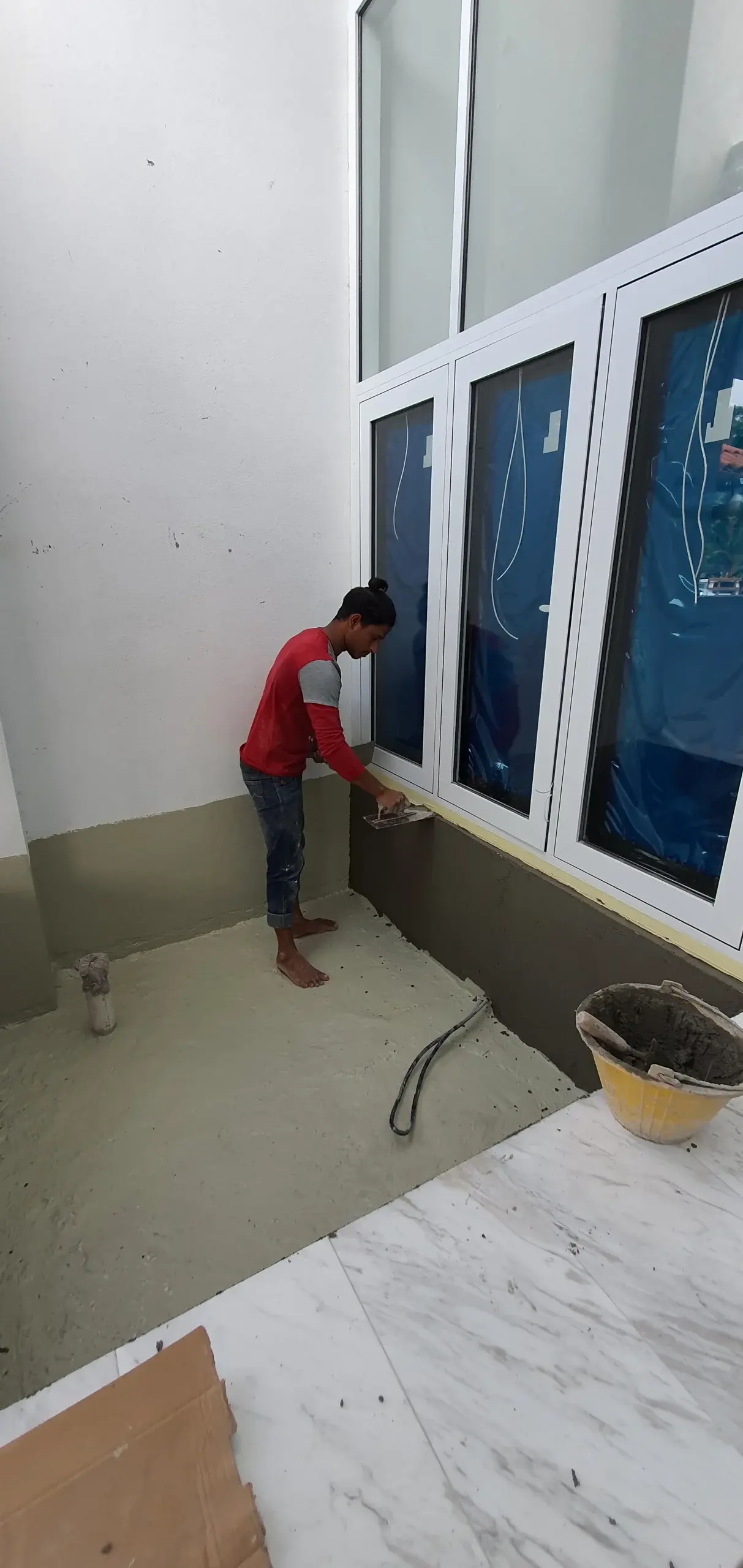
Waterproofing Application
we specified the waterproofing product Sikalastic-612 under brand SIKA for this planter box
three coats of 0.7kg/m2 Sika-612 are being applied here (waterproofing shall be applied at the “positive” side, where the water will first contact the structure)
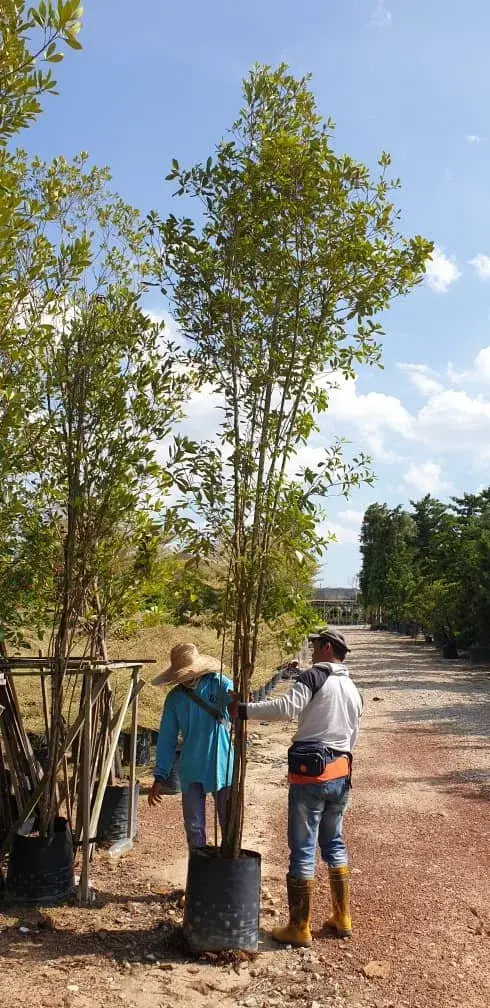
Selection of Tree
(Owner selected Golden Chain Tree)
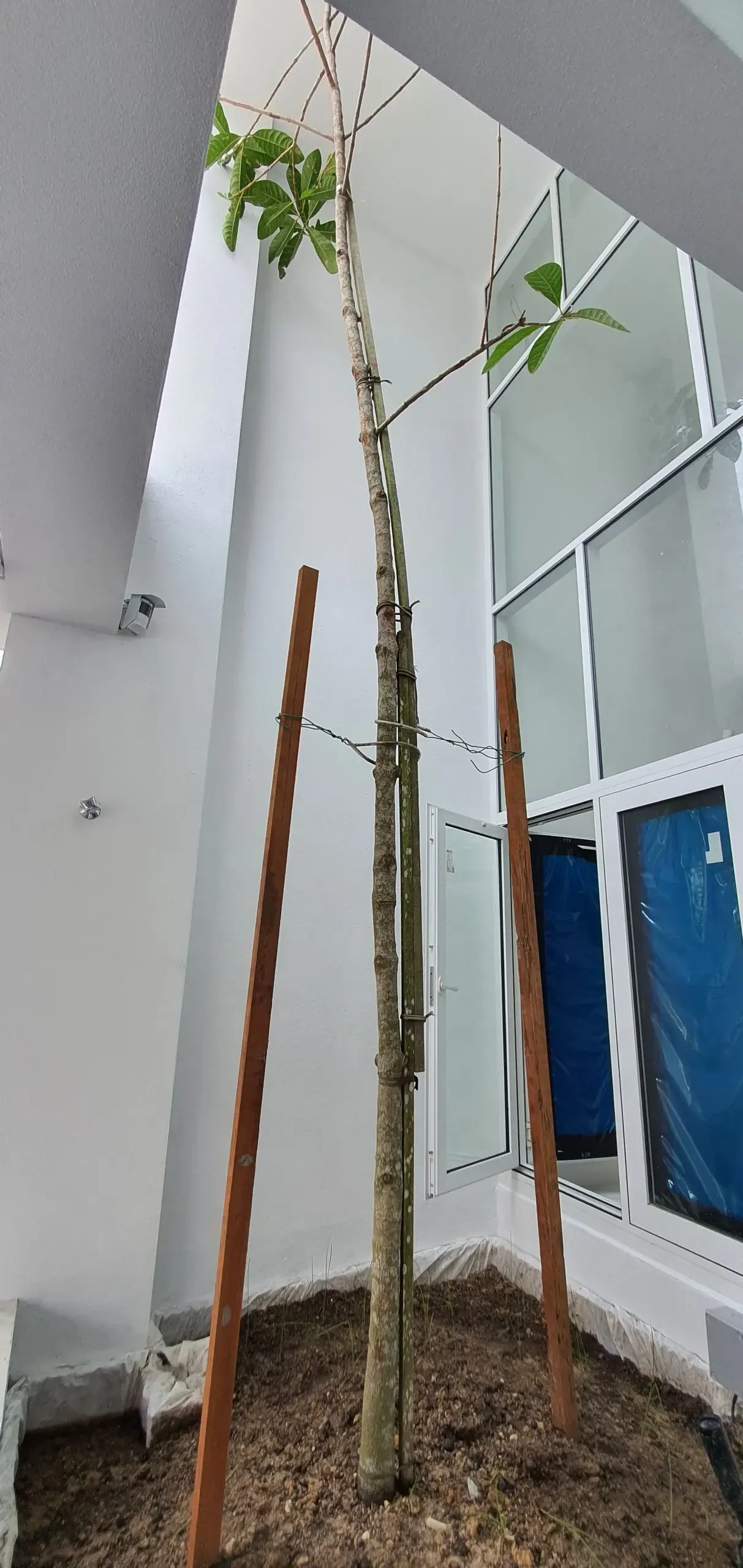
Staking
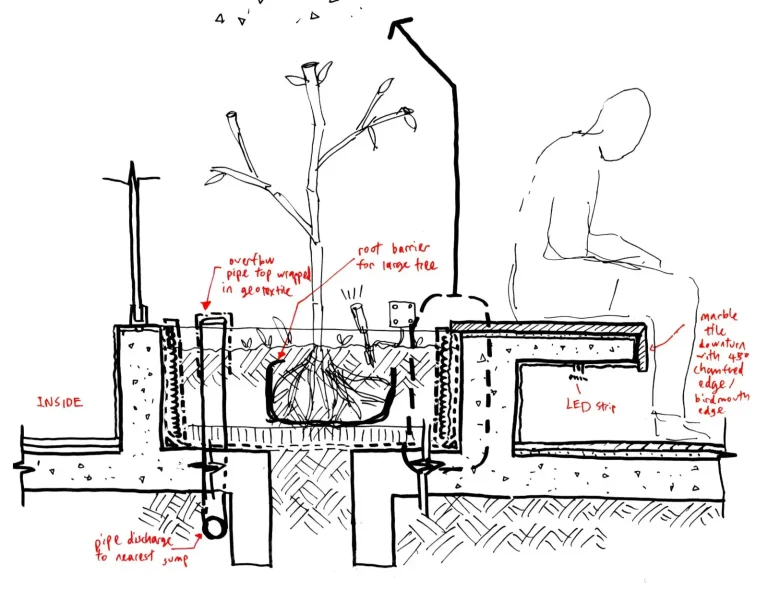
always ensure there is a root barrier around the roots of the tree, to ensure the roots won’t grow to damage the planter structure (root barrier may not be required for small shrubs with small weak roots)
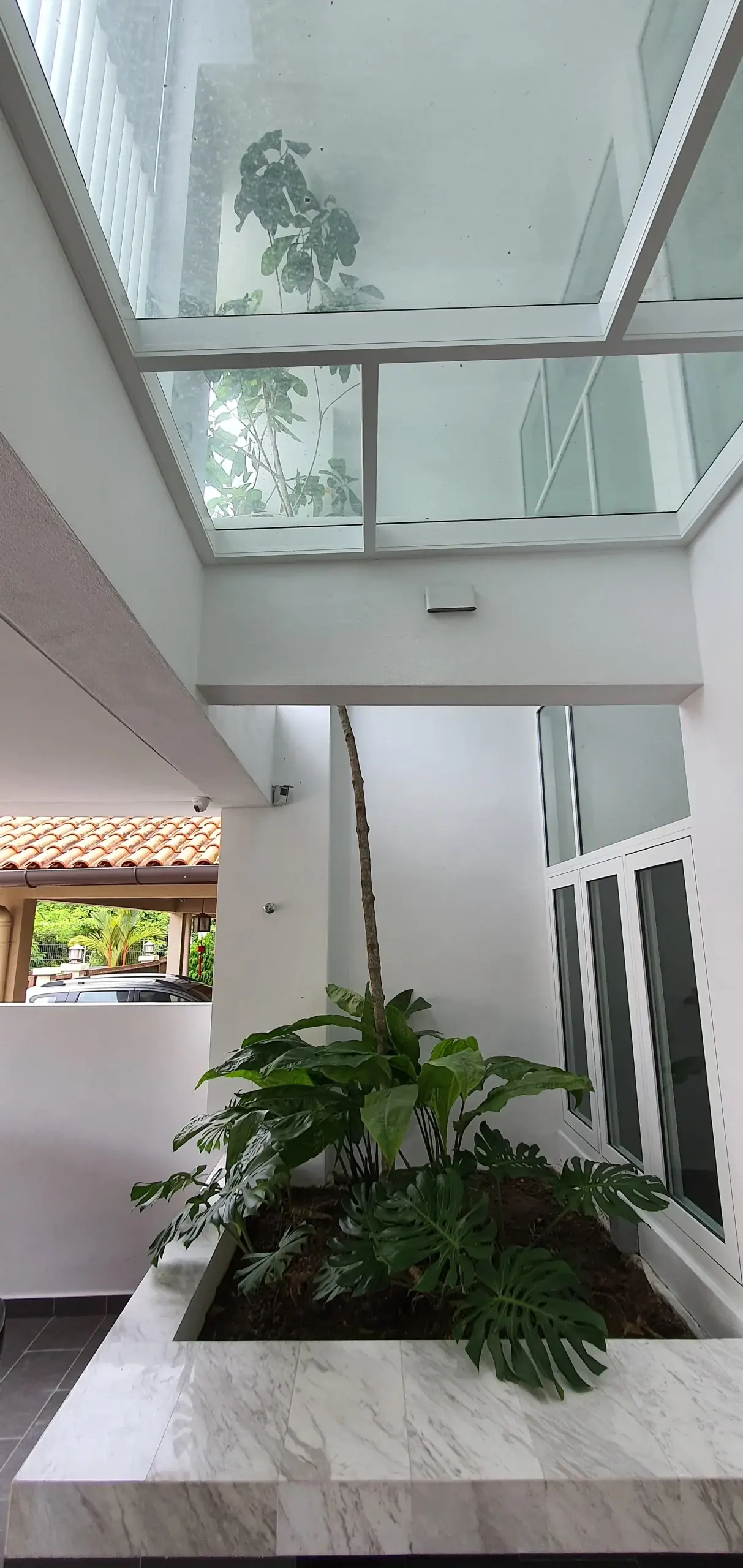
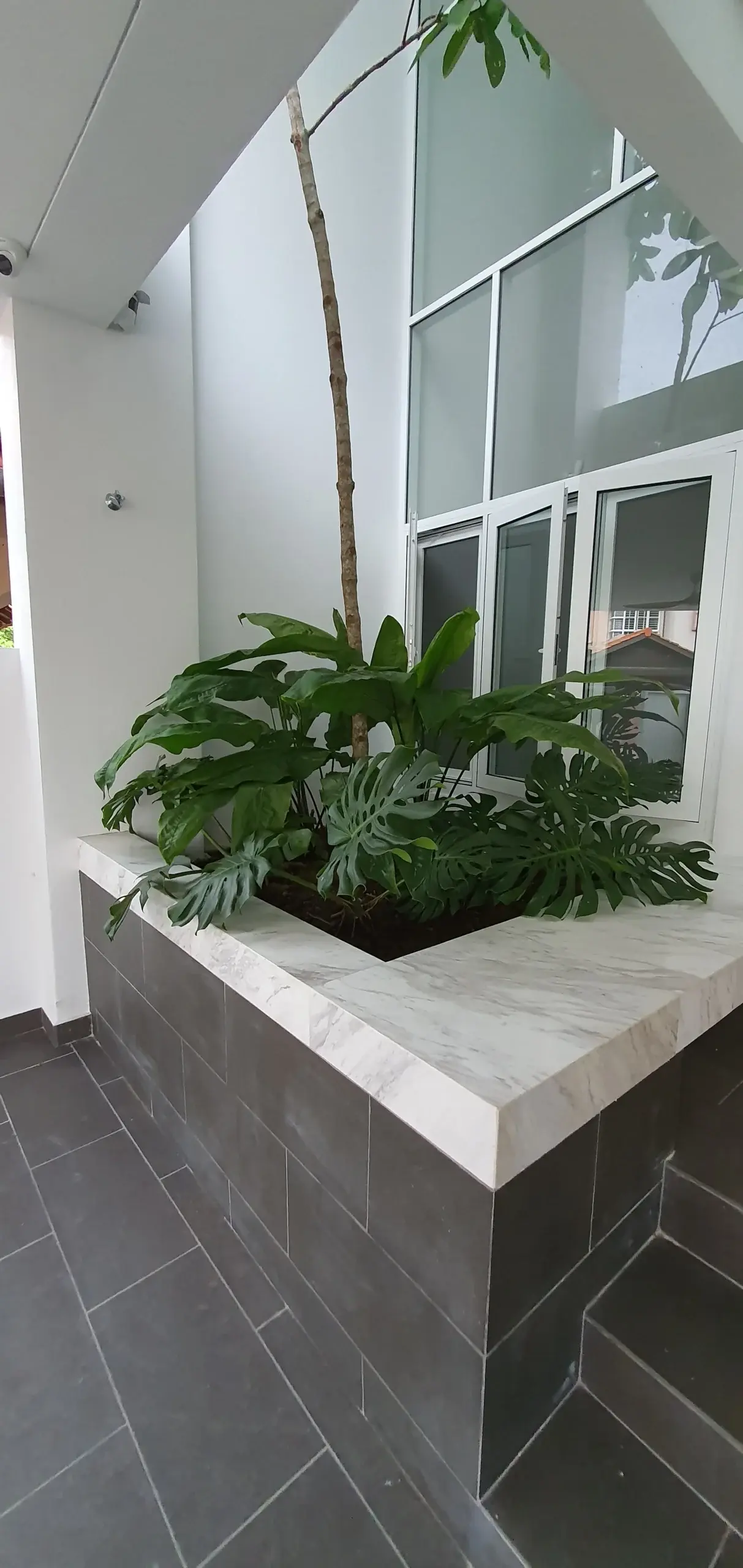
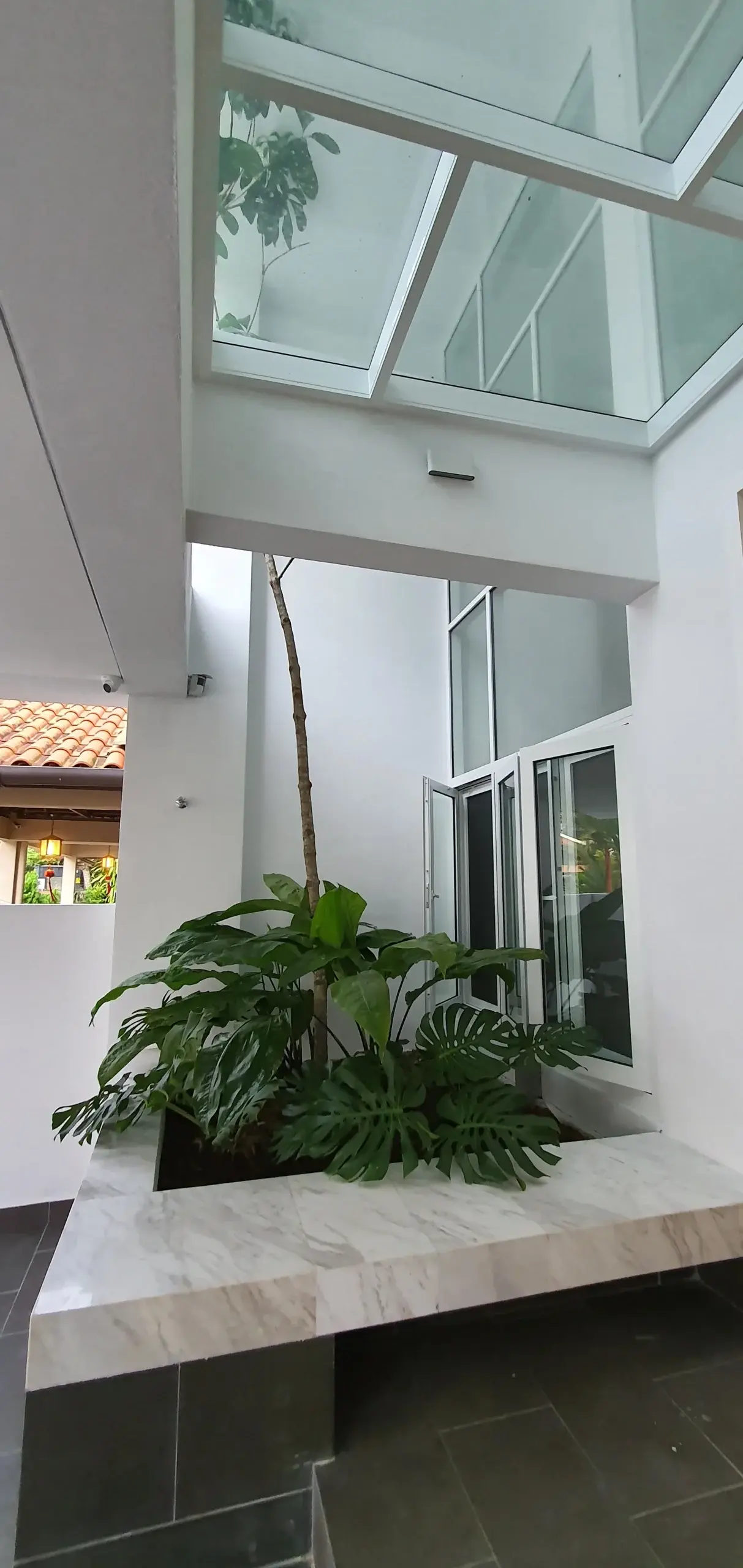
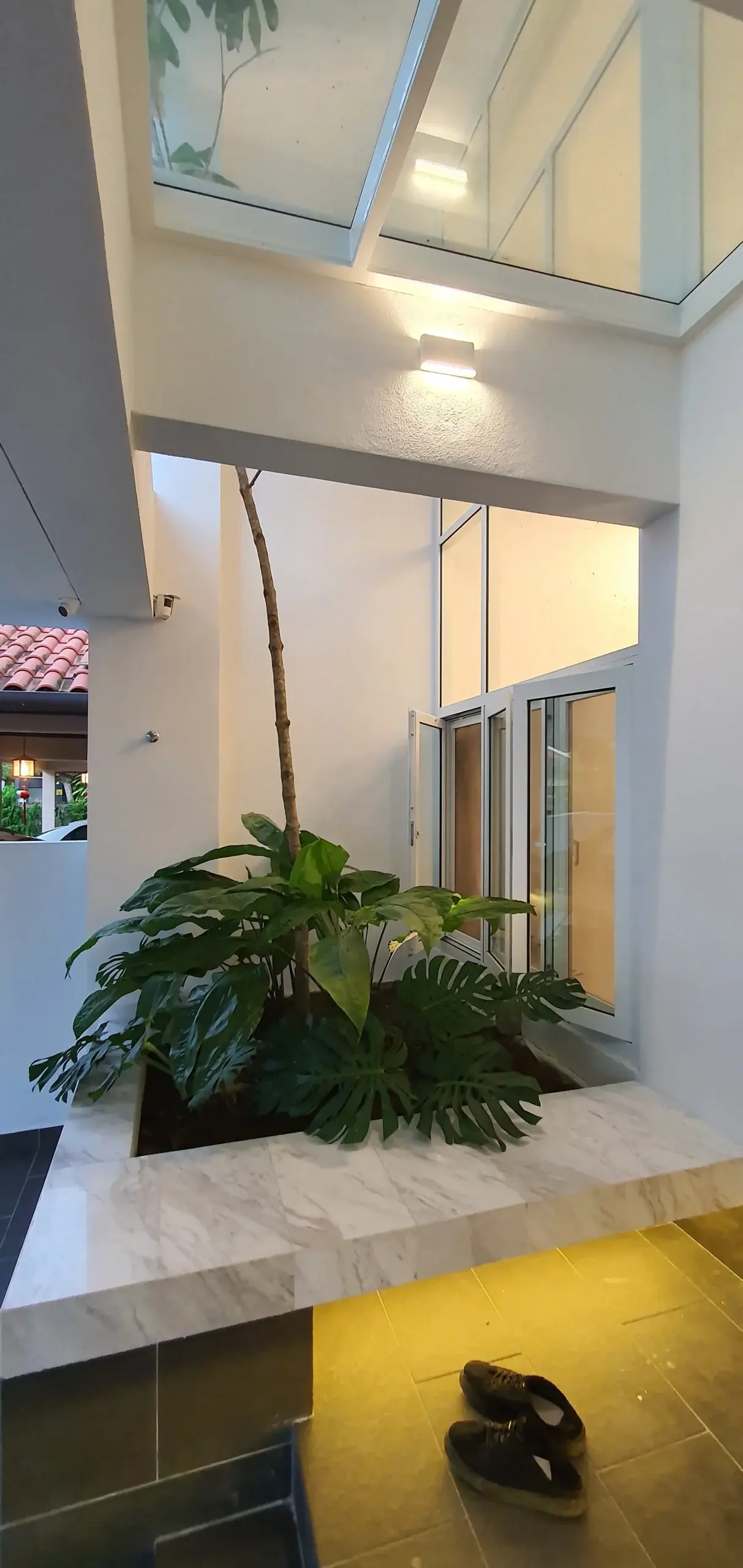
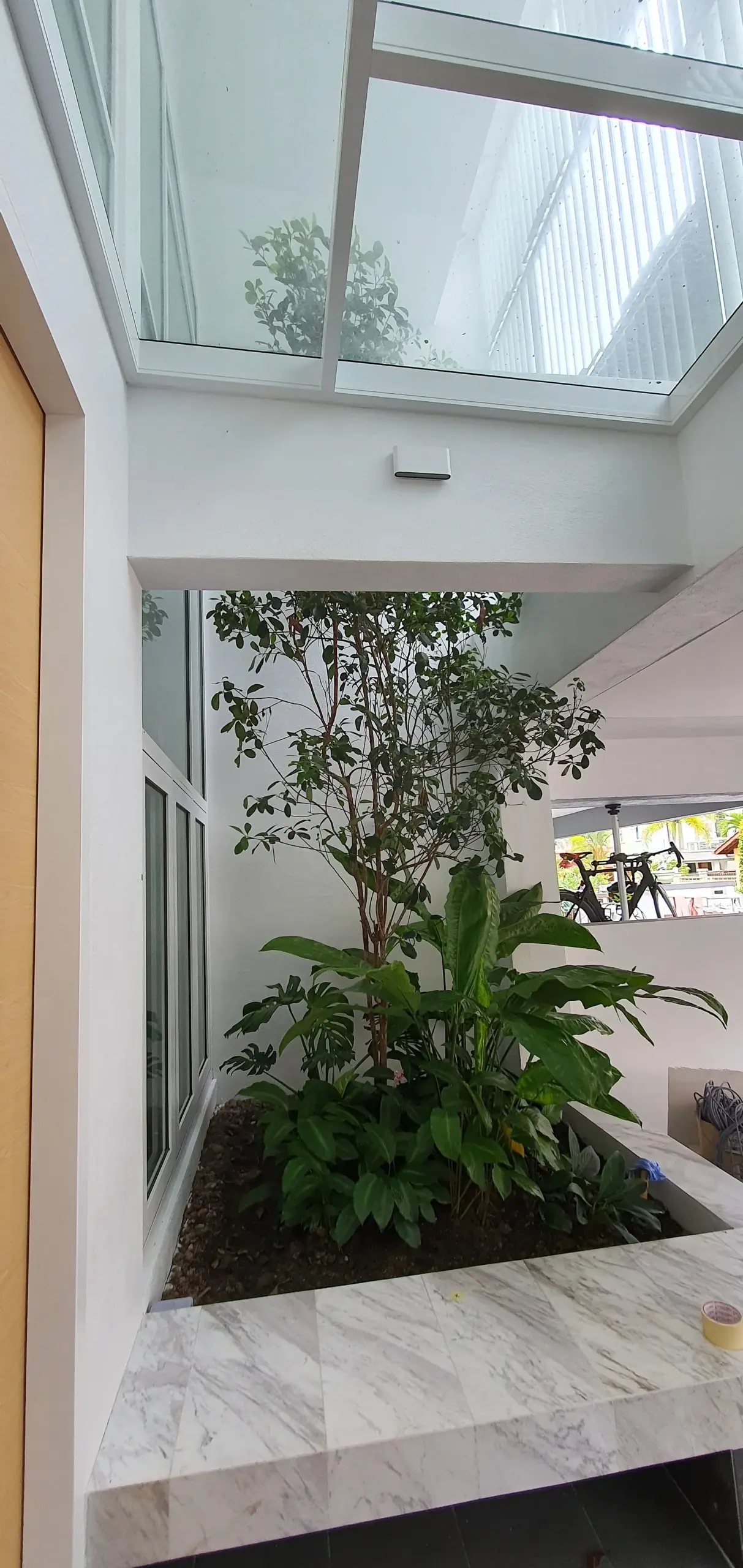
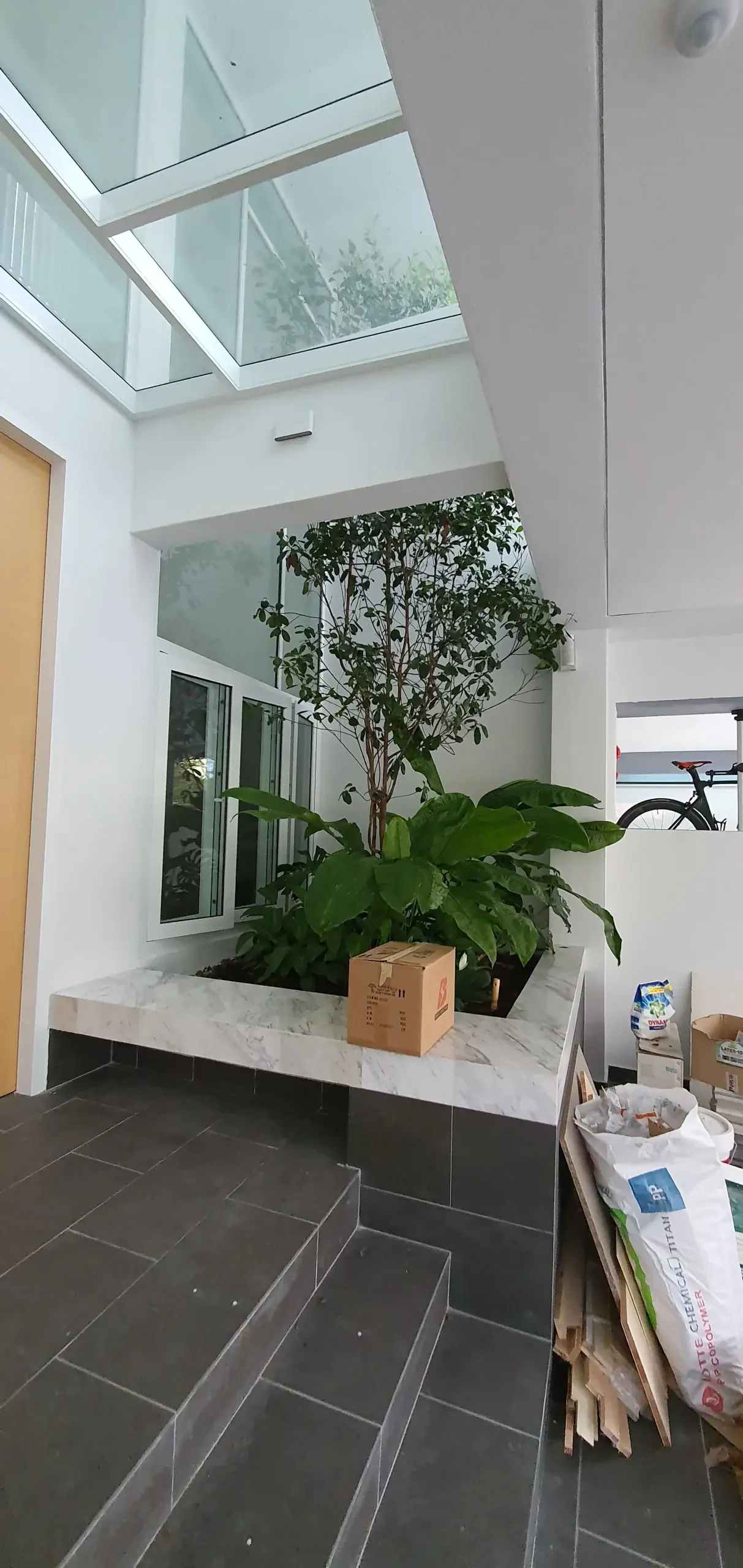
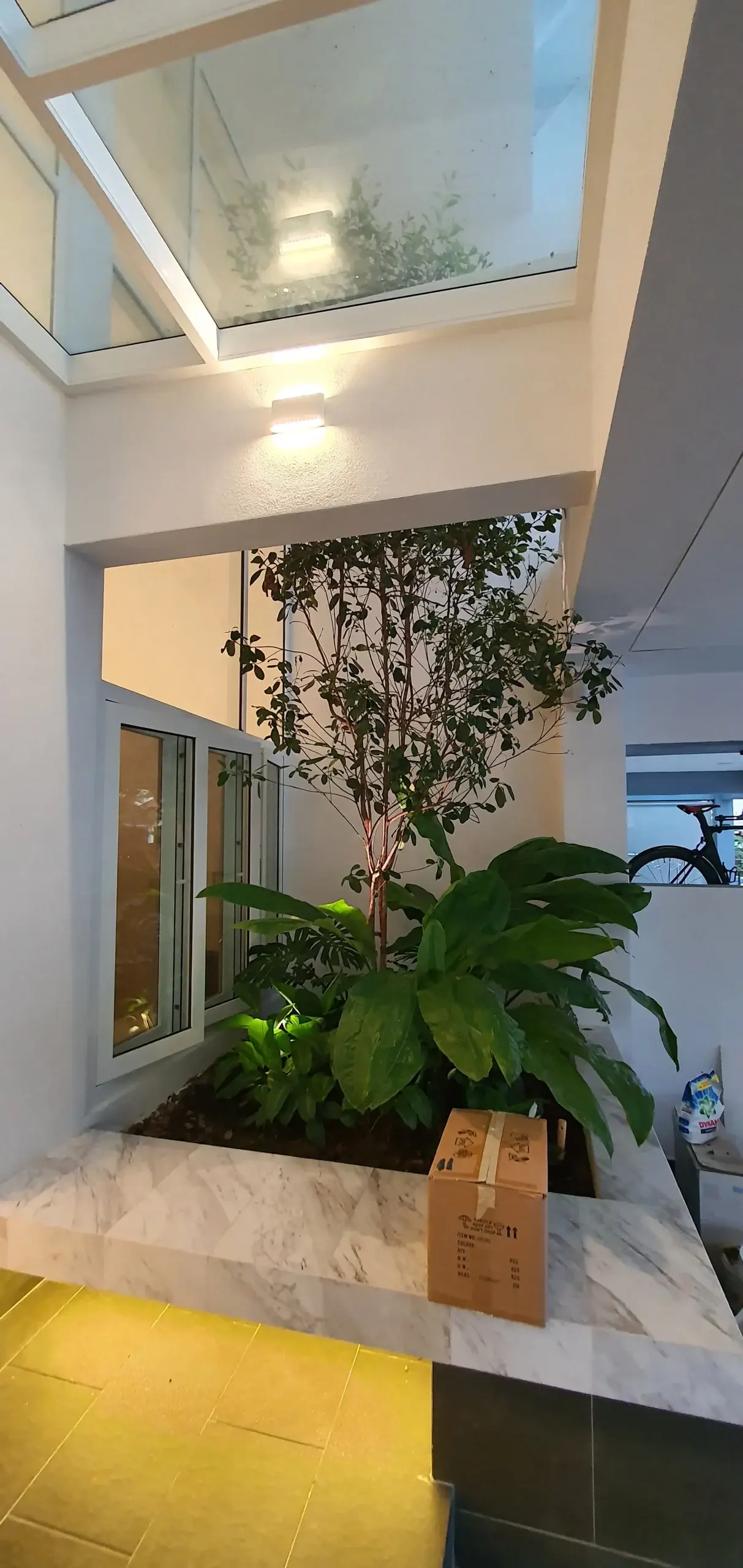
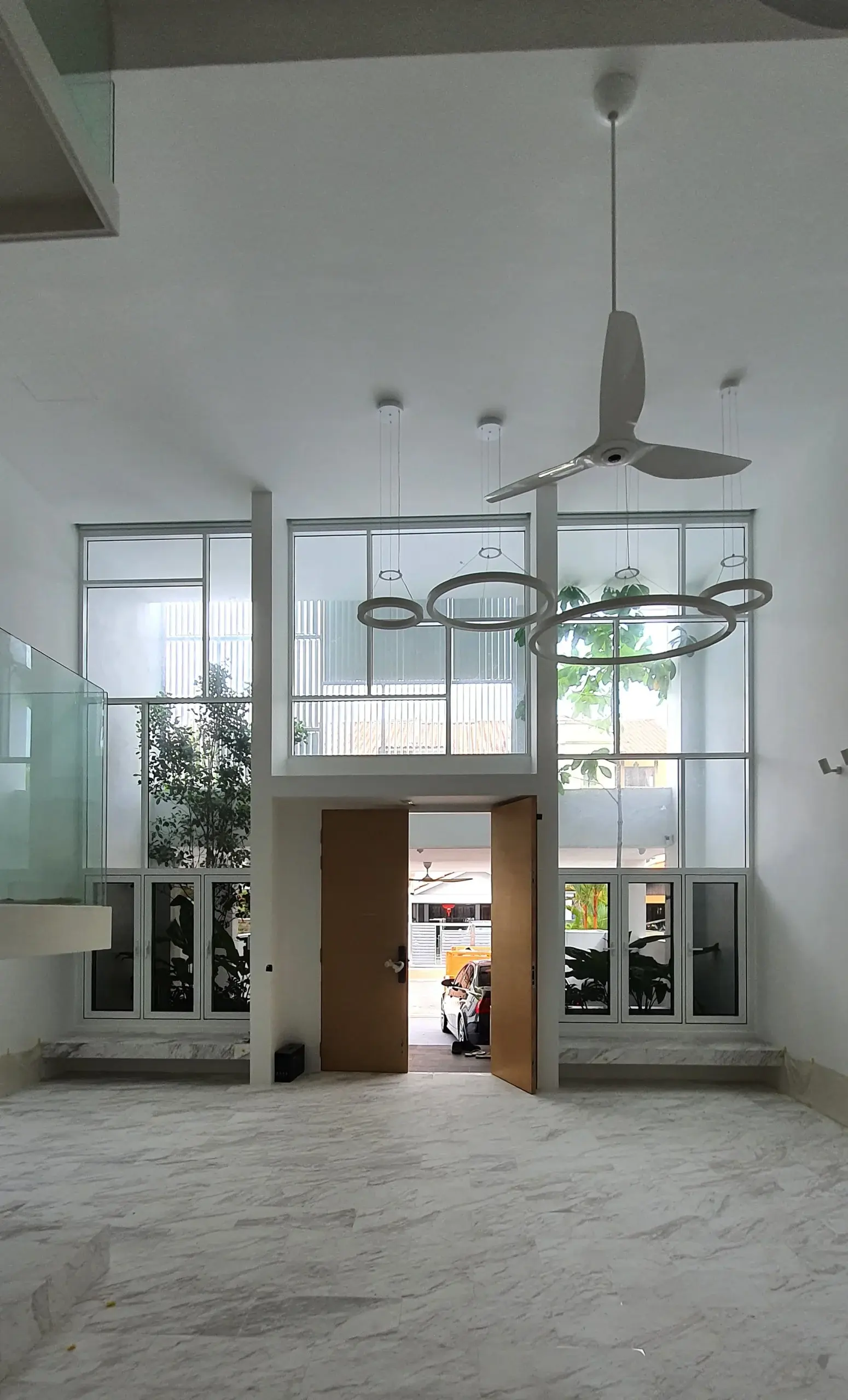
View from inside out
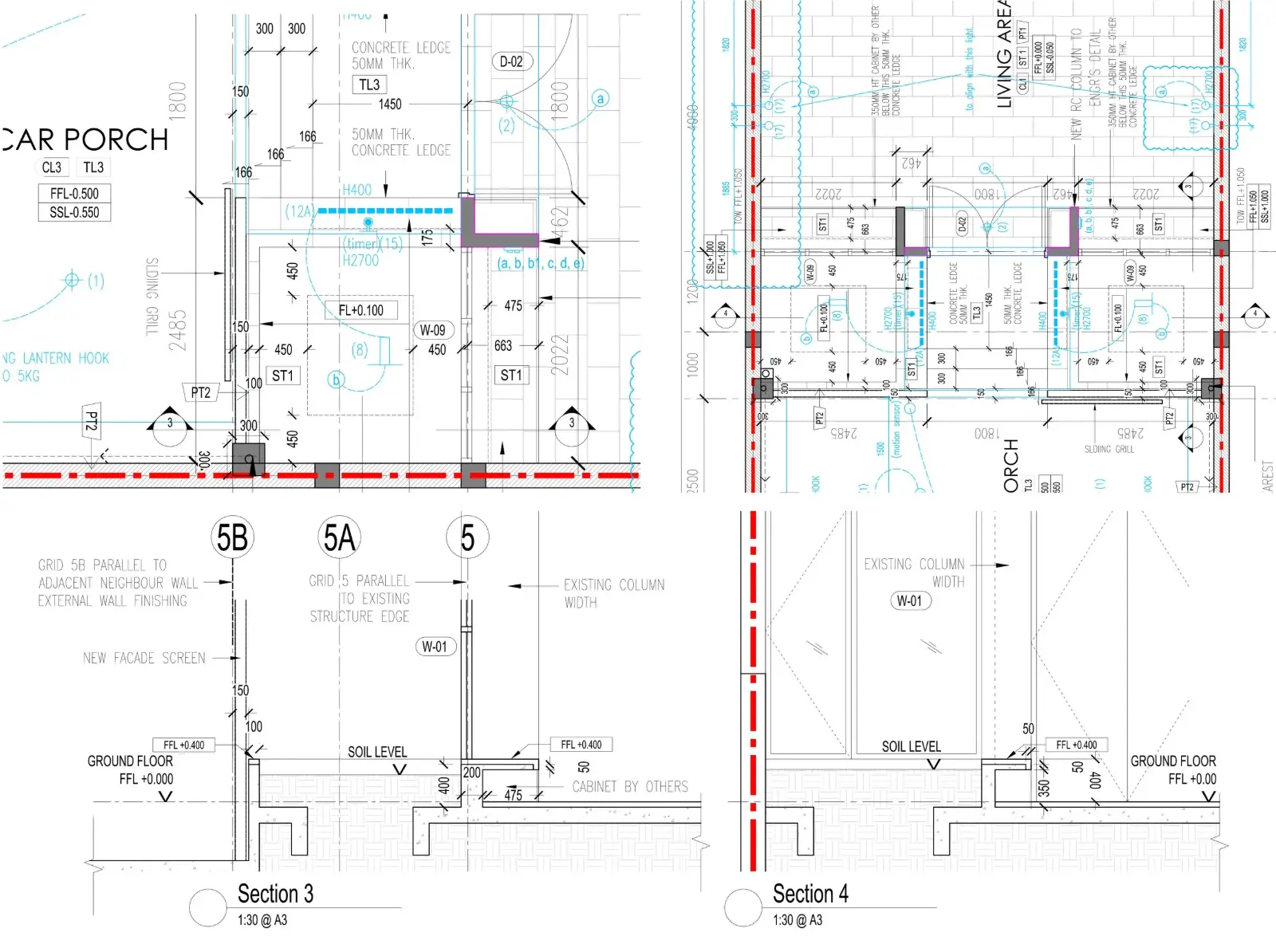
Drawing of the two Planter Boxes
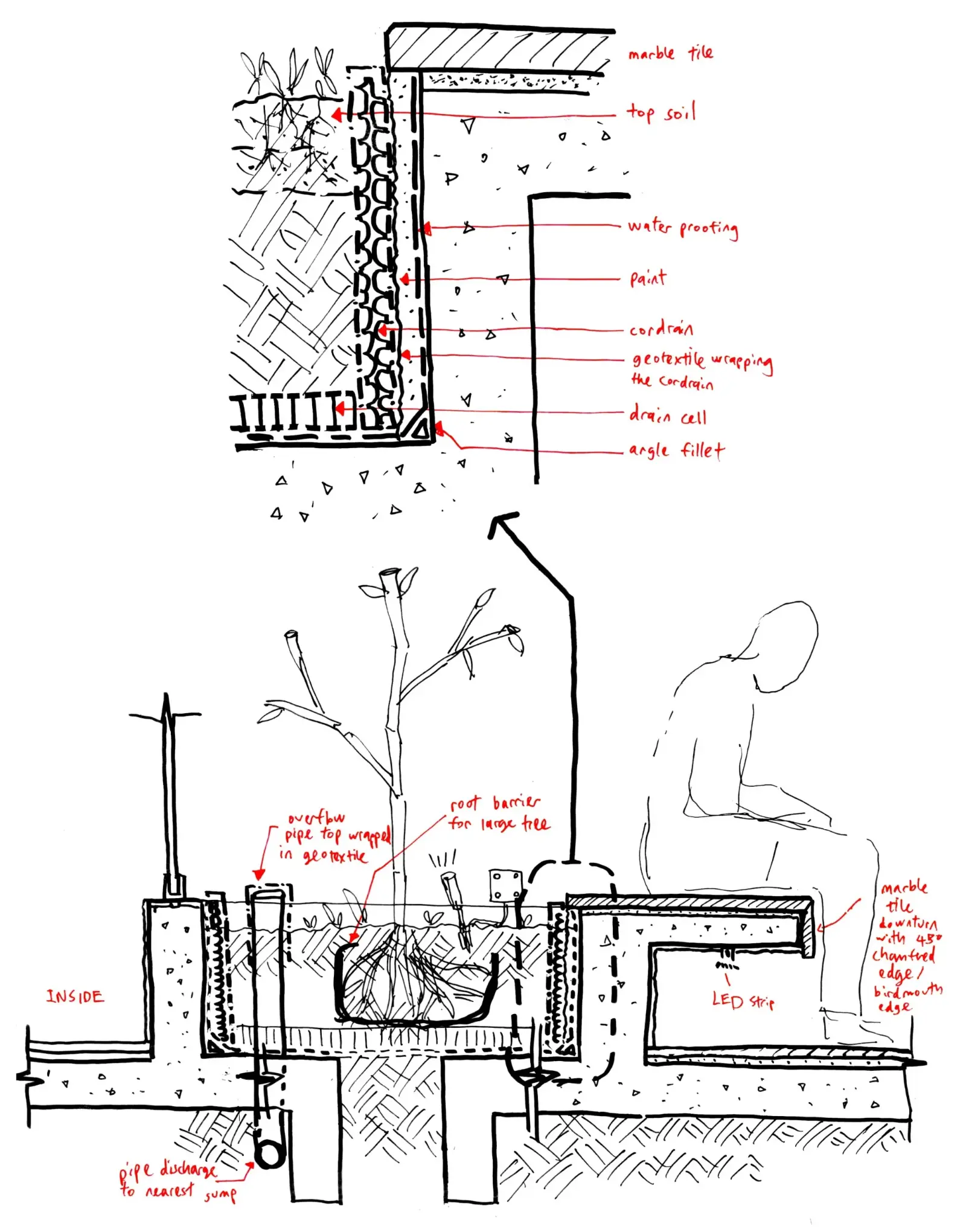
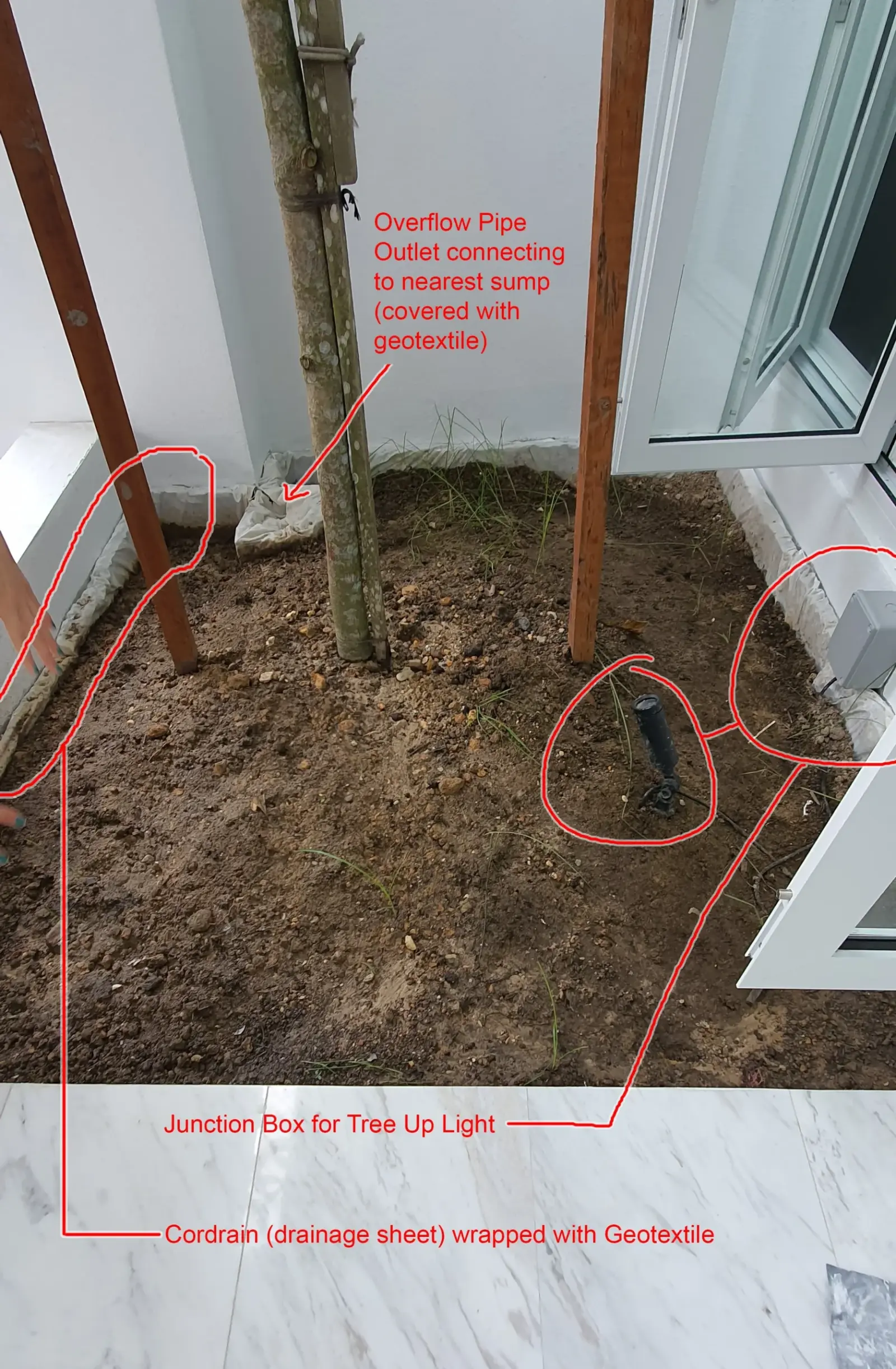
Overflow Pipe – an additional pipe above the soil surface level wrapped in Geotextile to discharge the soil surface water. It functions in the event when the rainwater is too heavy and the perimeter cordrain plus the soil itself is unable to discharge the water down towards the drain ceil or to the nearest sump quickly enough. It prevents the planter box to overflow on rainy days
Geotextile – A layer of permeable fabric material to cover up subsoil pipe, cordrain or any material that requires filtering; so that larger matter will not enter into the cordrain/subsoil pipe, causing the pipe the get stuck. It also provides additional protection to the wrapped material to not get damaged by the outer element
Cordrain – geocomposite drainage sheet laid vertically along the perimeter of the retaining wall in order to allow quicker drain off of soil surface water down towards the crusher run layer, into the subsoil pipe
Scenario 2: Small Closed Planter
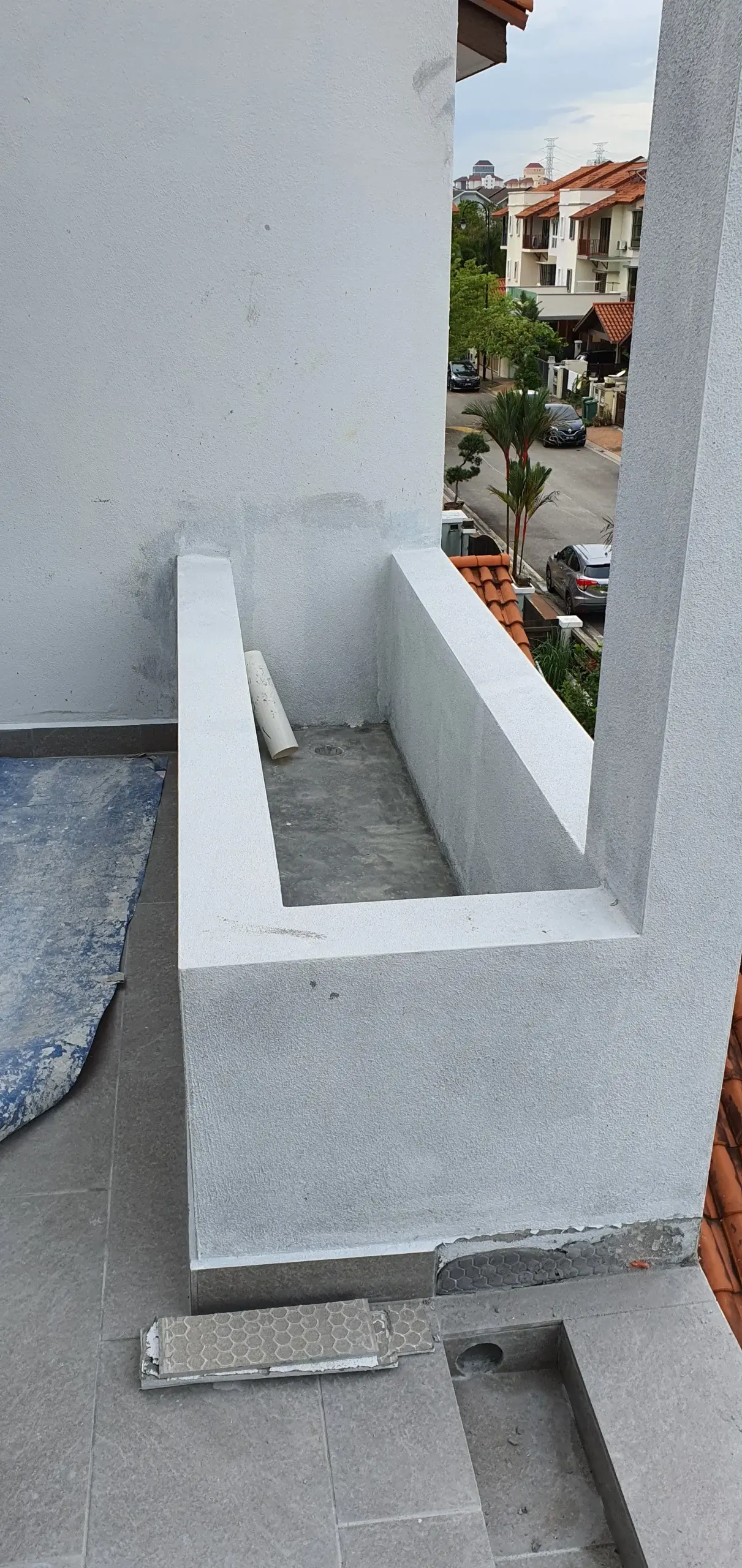
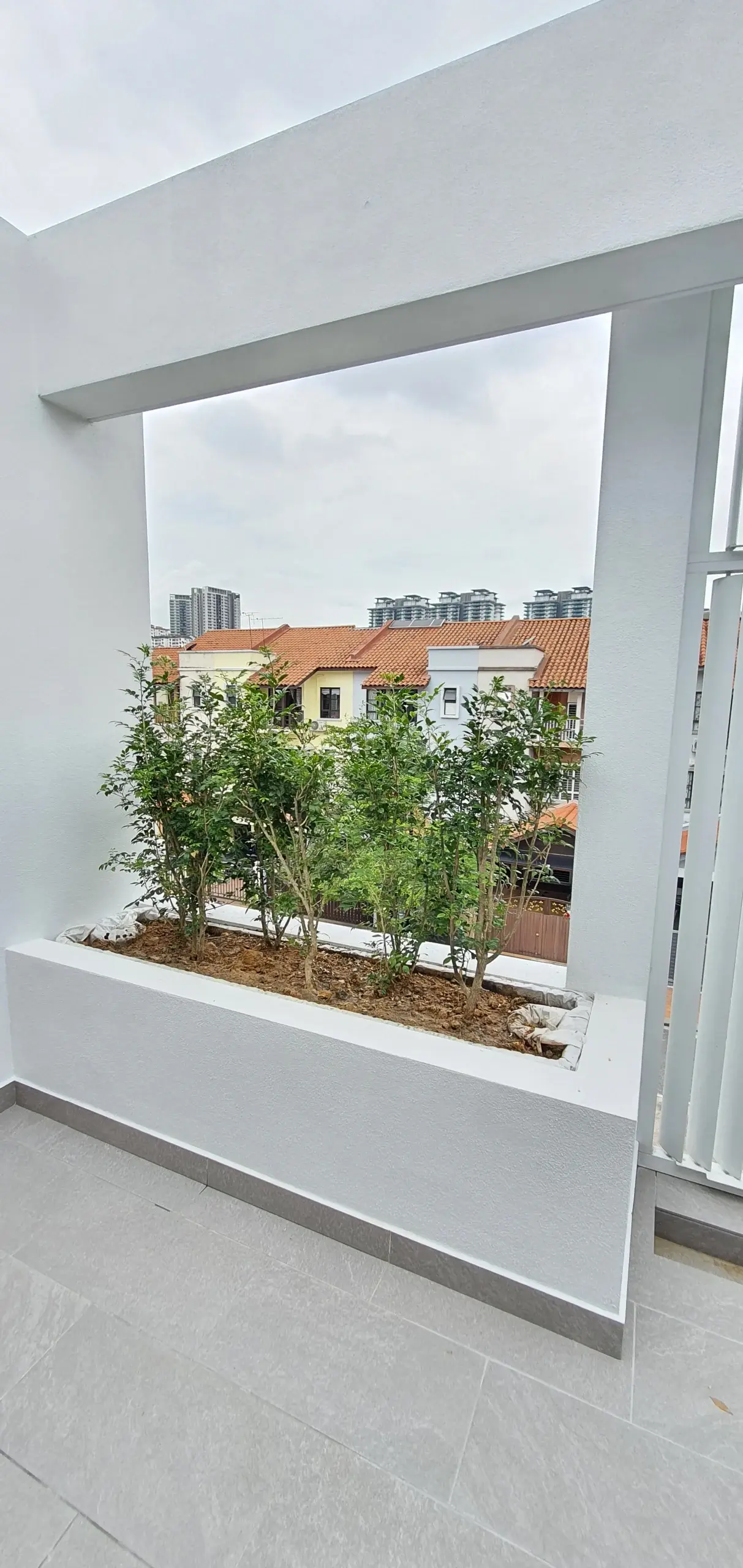
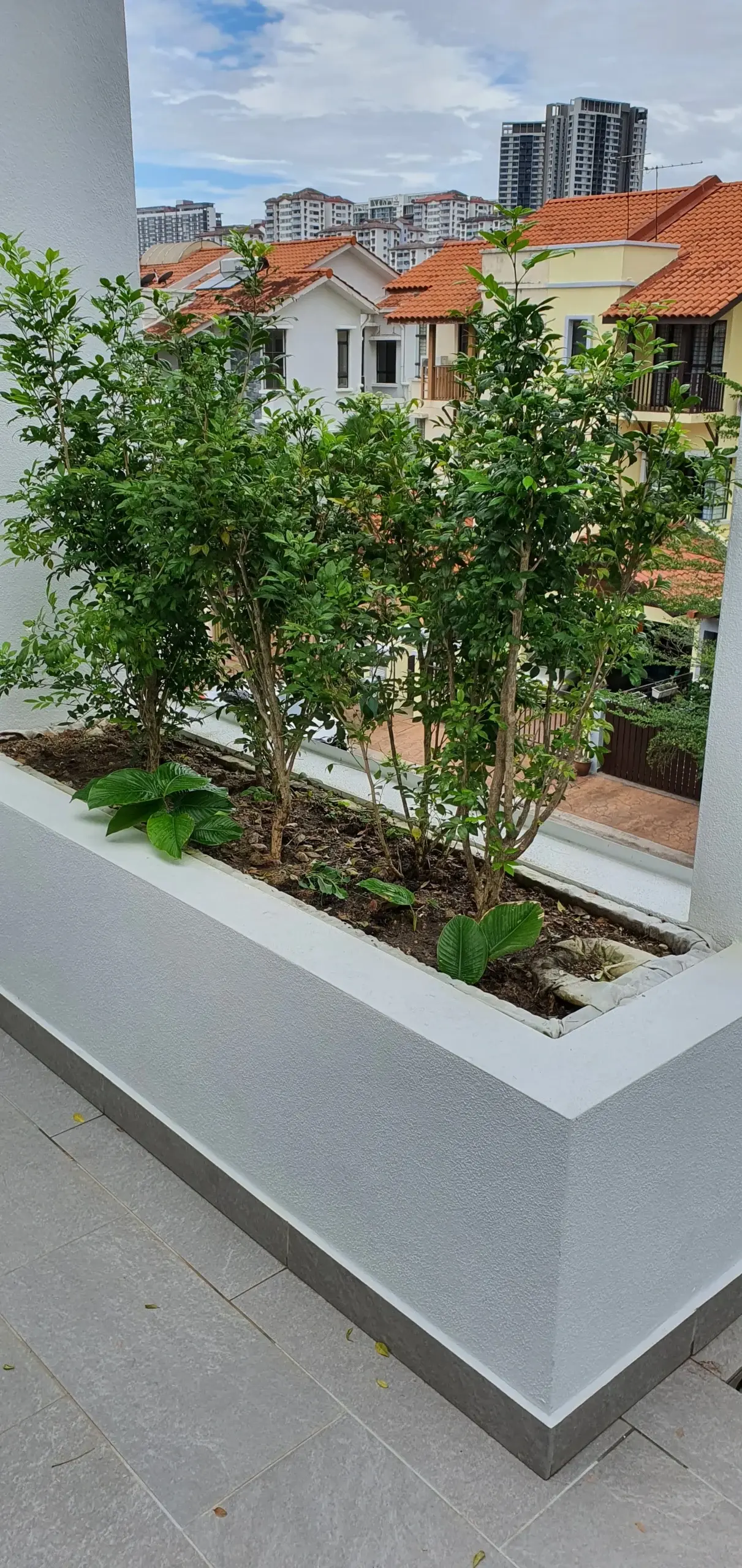
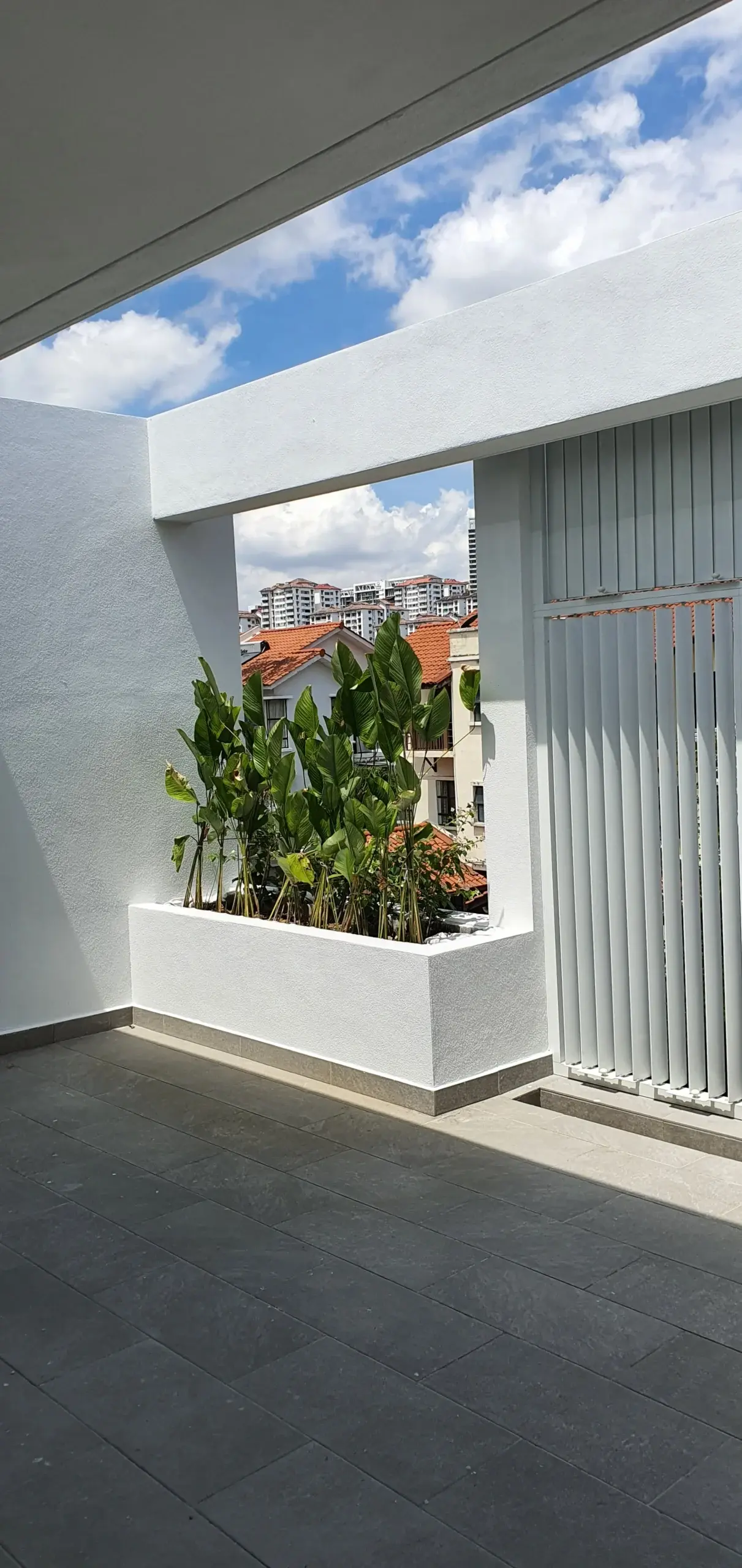
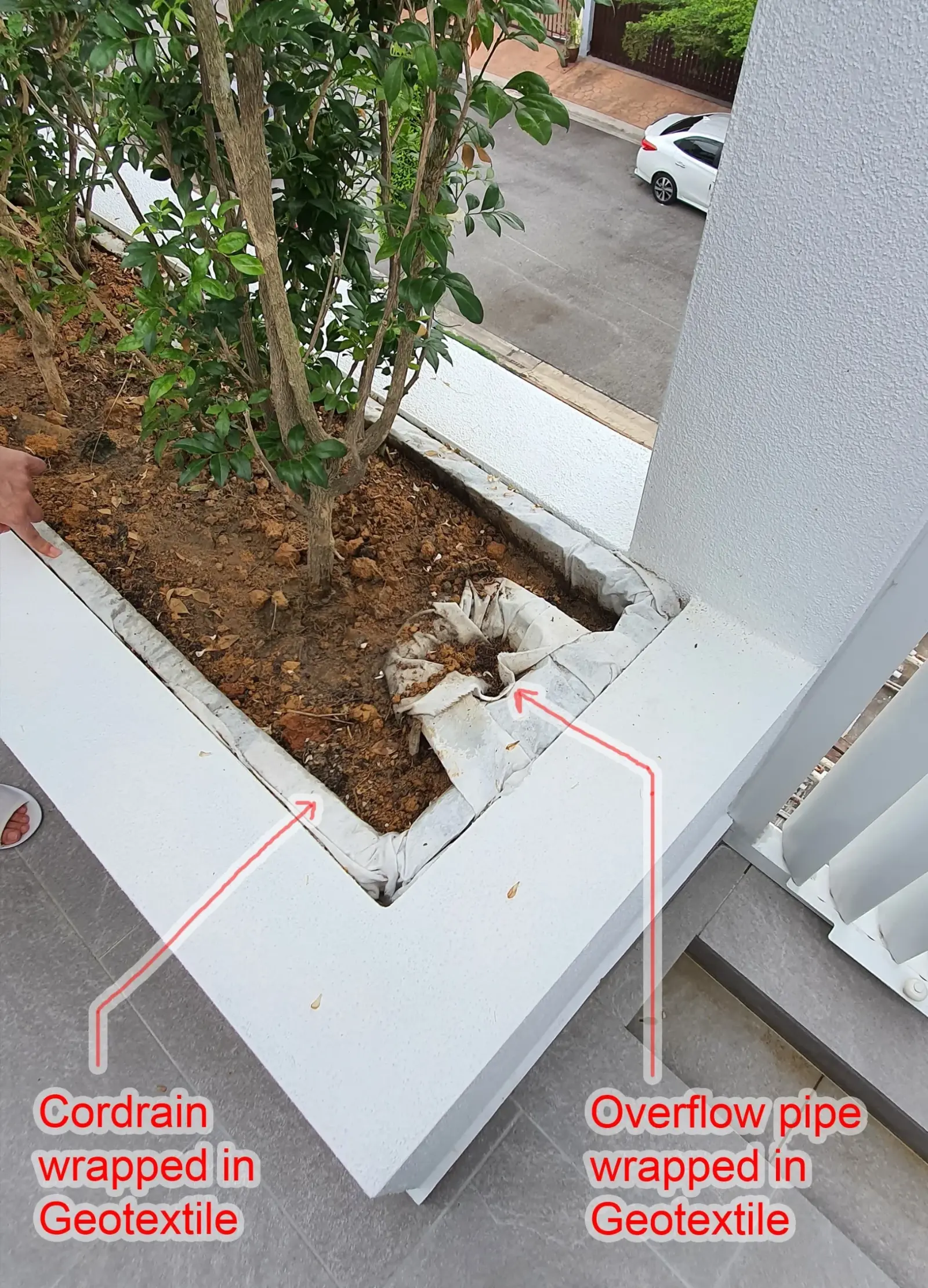
Overflow pipe and perimeter Cordrain wrapped in Geotextile
Overflow Pipe – an additional pipe above the soil surface level wrapped in Geotextile to discharge the soil surface water. It functions in the event when the rainwater is too heavy and the perimeter cordrain plus the soil itself is unable to discharge the water down towards the drain ceil or to the nearest sump quickly enough. It prevents the planter box to overflow on rainy days
Geotextile – A layer of permeable fabric material to cover up subsoil pipe, cordrain or any material that requires filtering; so that larger matter will not enter into the cordrain/subsoil pipe, causing the pipe the get stuck. It also provides additional protection to the wrapped material to not get damaged by the outer element
Cordrain – geocomposite drainage sheet laid vertically along the perimeter of the retaining wall in order to allow quicker drain off of soil surface water down towards the crusher run layer, into the subsoil pipe
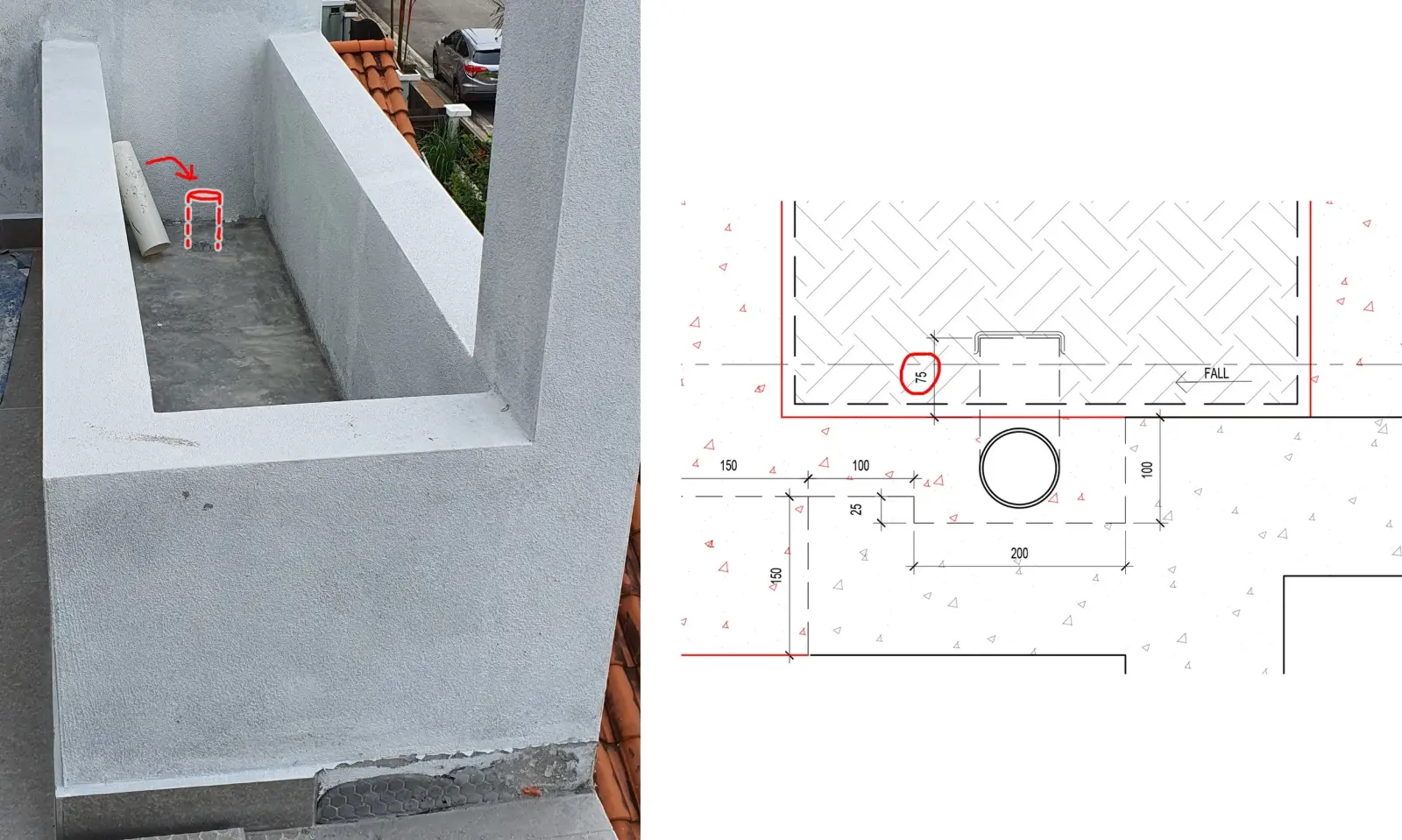
Insertion of piping to having an upturn for the bottom outlet
It is important to have an upturn of the bottom pipe outlet so that the closed planter could have a certain amount of water contained within.
It is useful to be able to control the height of this inserted pipe to control the amount of water contained in the planter. The different plant requires a different amount of contained water inside the enclosed planter box.
Otherwise, the plants would get thirsty as the water content within the soil would be entirely discharged much faster away from the closed planter.
Outlet pipe shall always be covered up with geotextile to prevent large matter entering within to making the pipe stuck
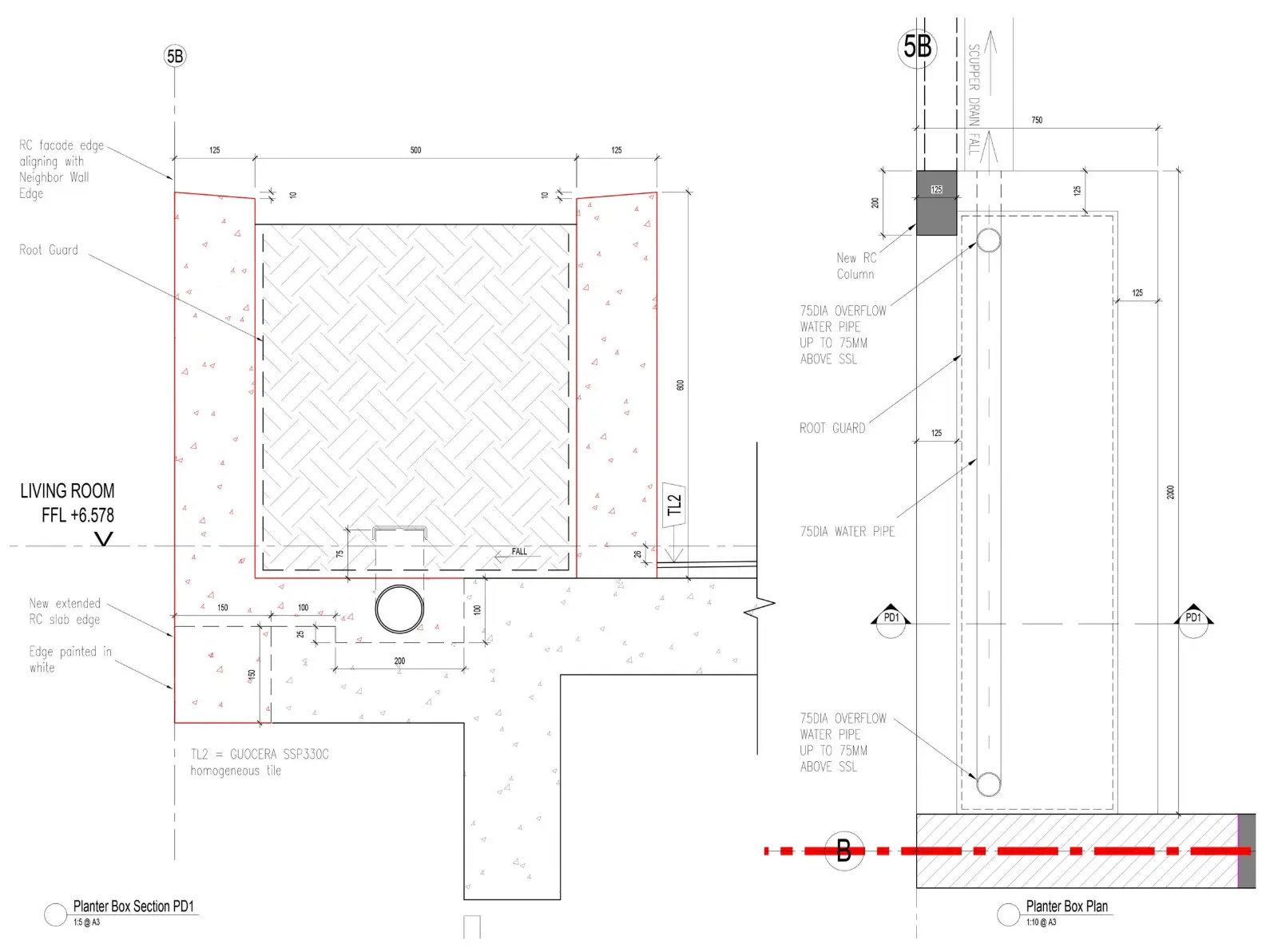
Full drawing of this closed planter
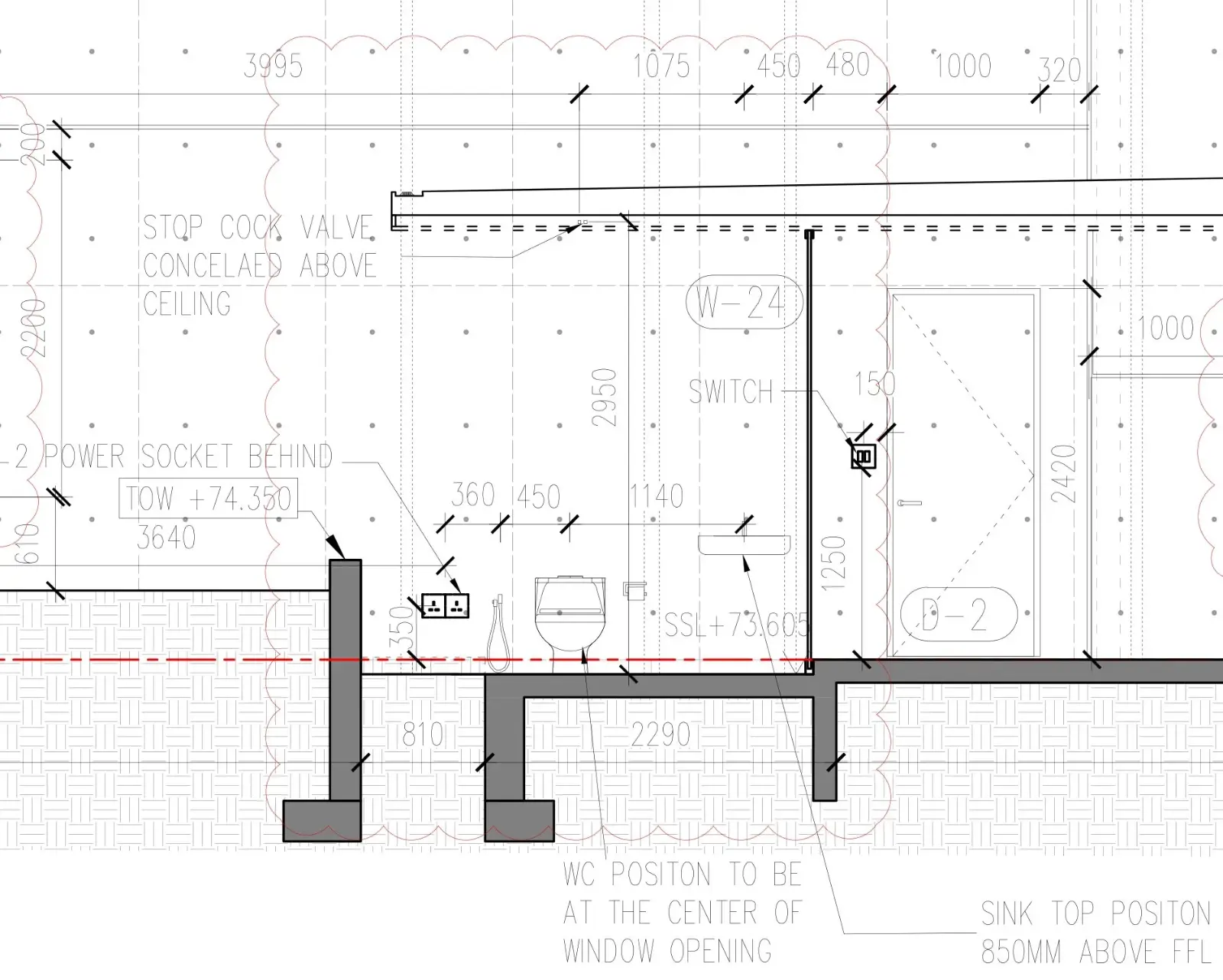
Scenario 3: Raised Open Planter for Bathroom
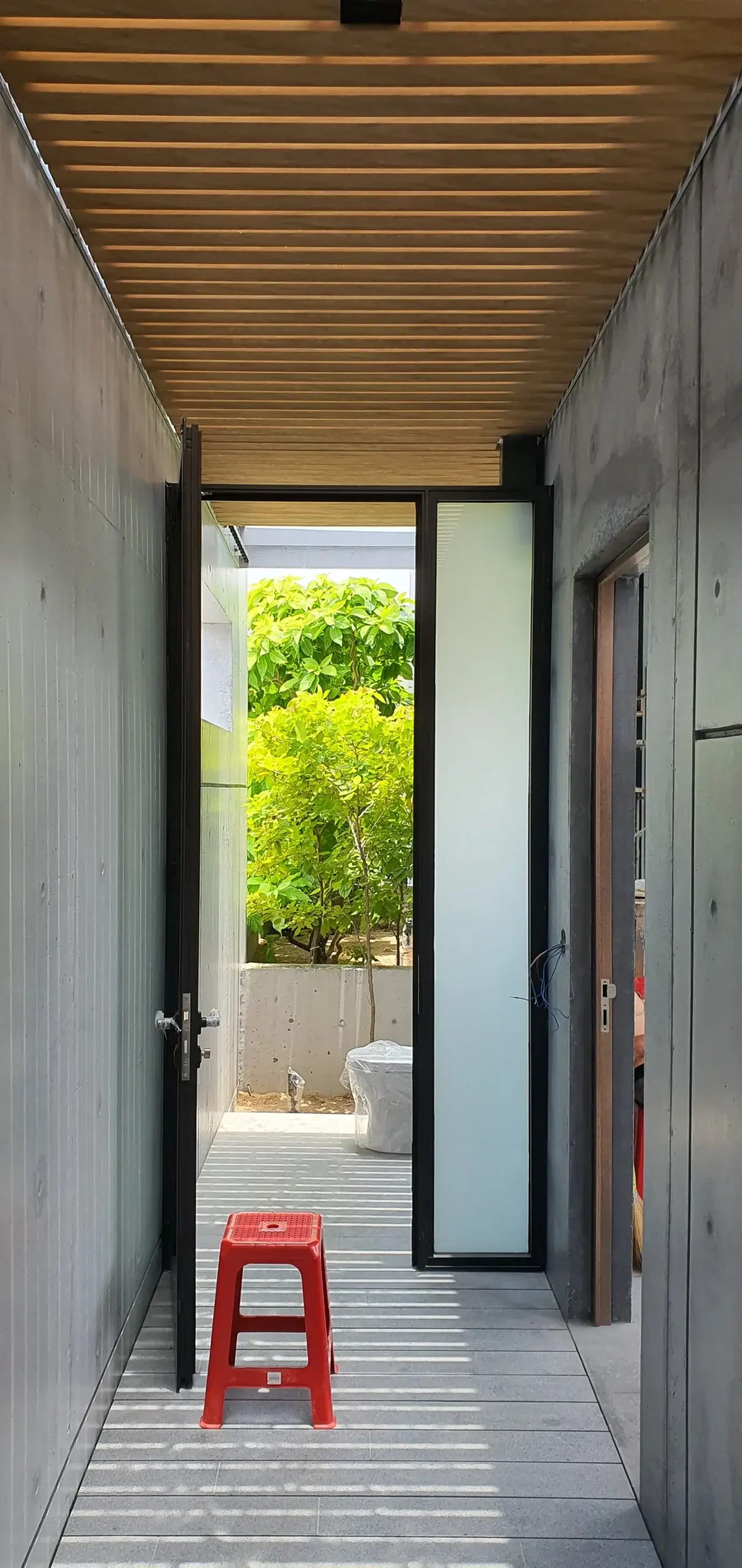
Open bathroom with raised planter
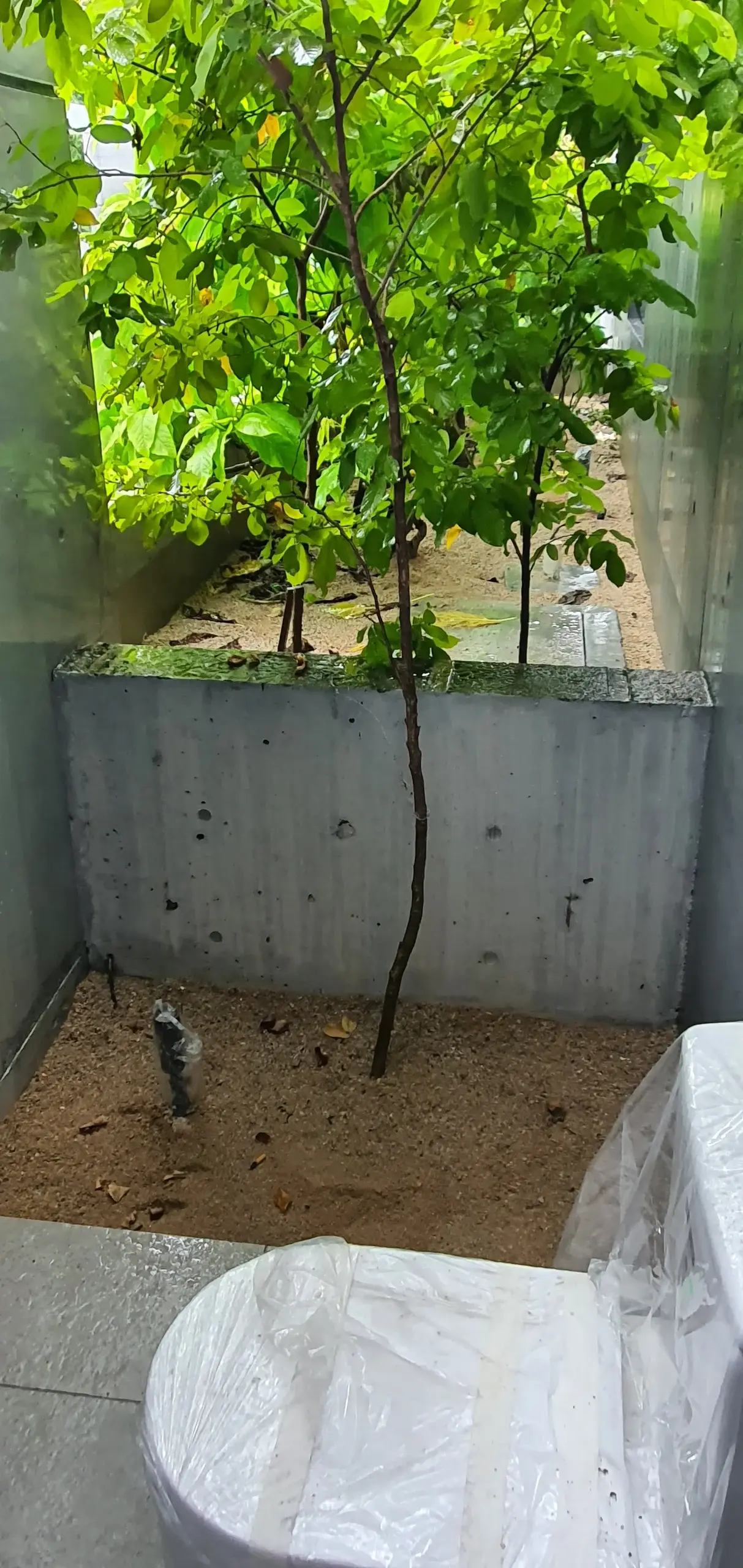
View from inside out
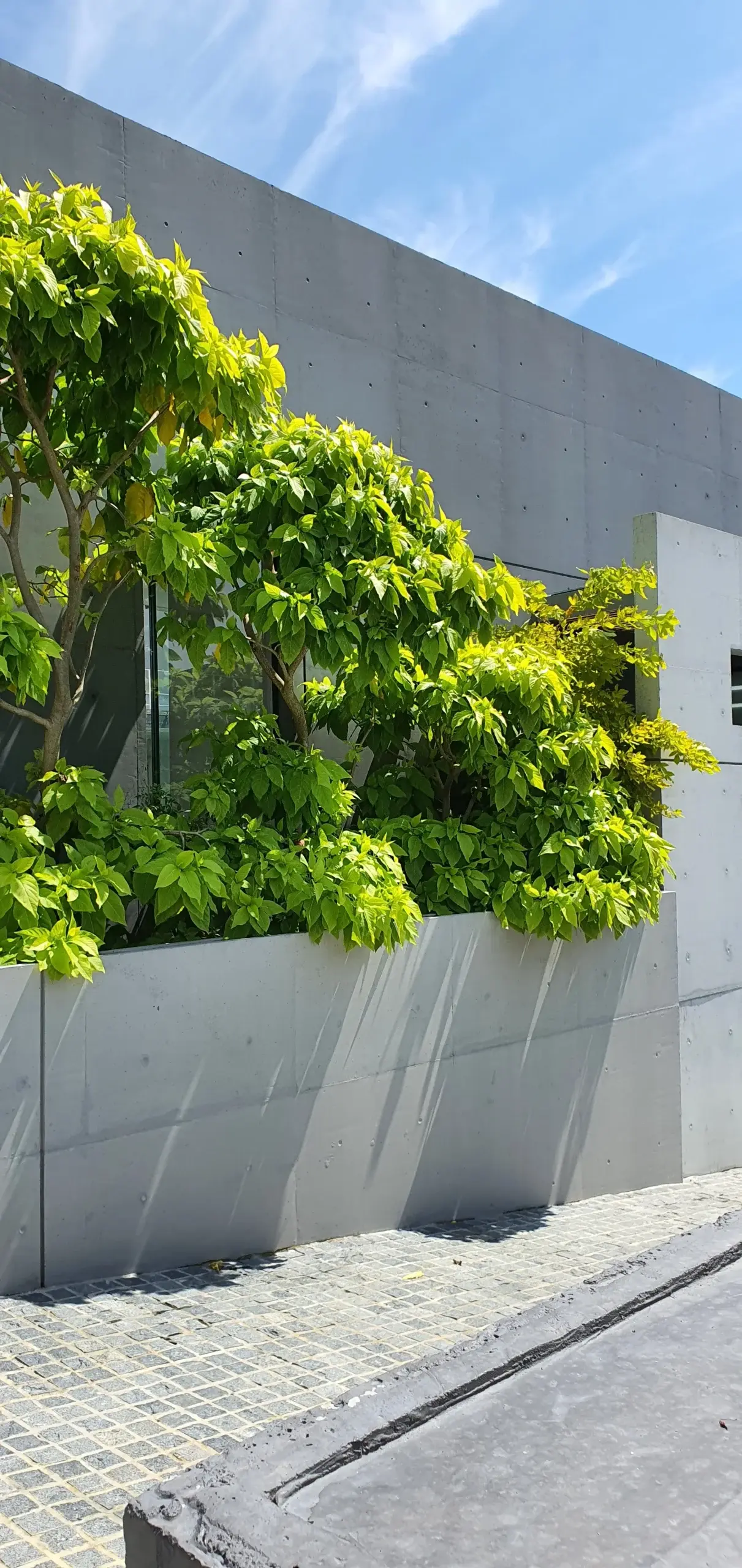
View from outside in
selected landscape to provide maximum privacy
Scenario 4: Large Open Planter as Garden
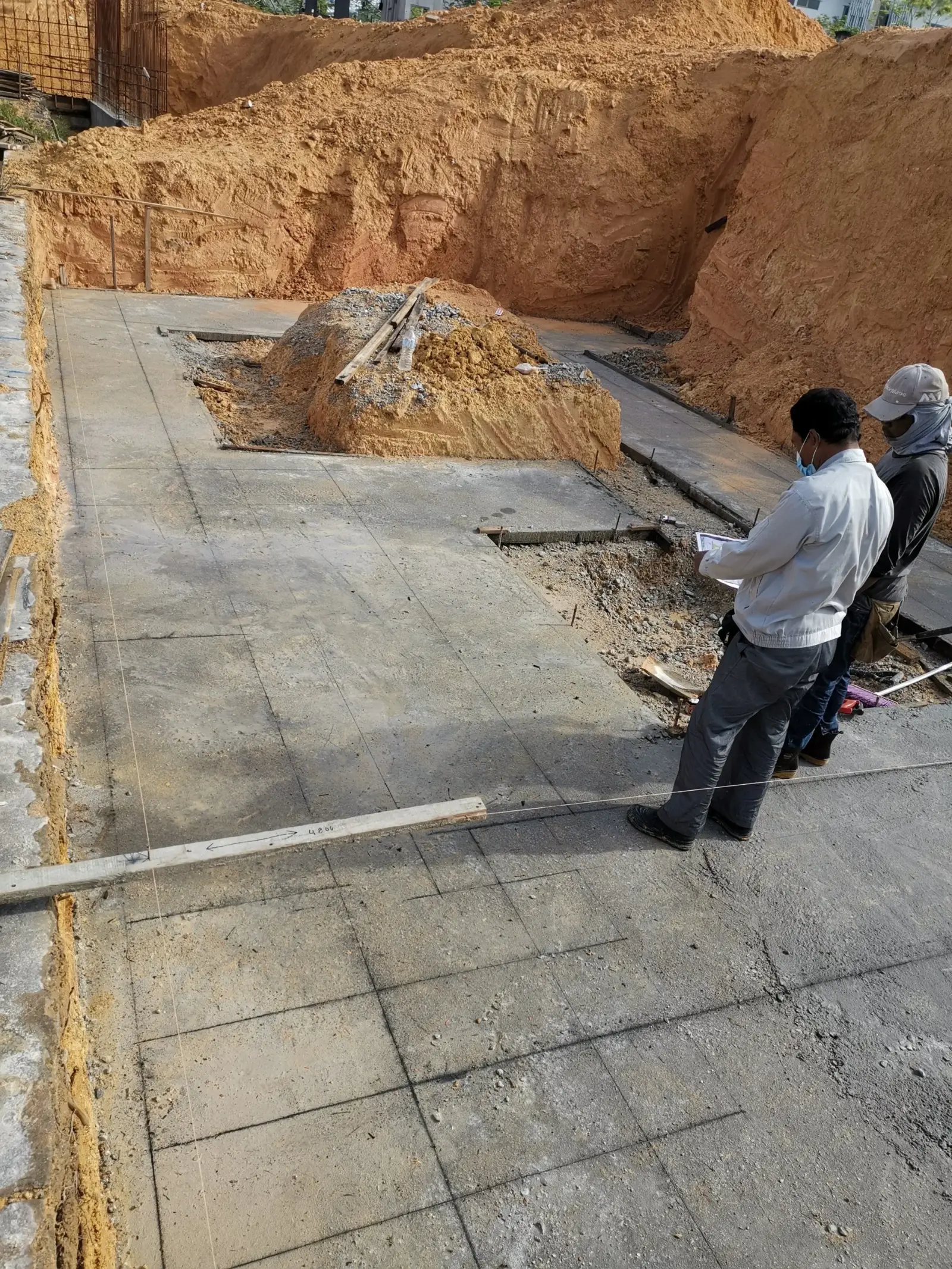
Completion of the retaining wall footing
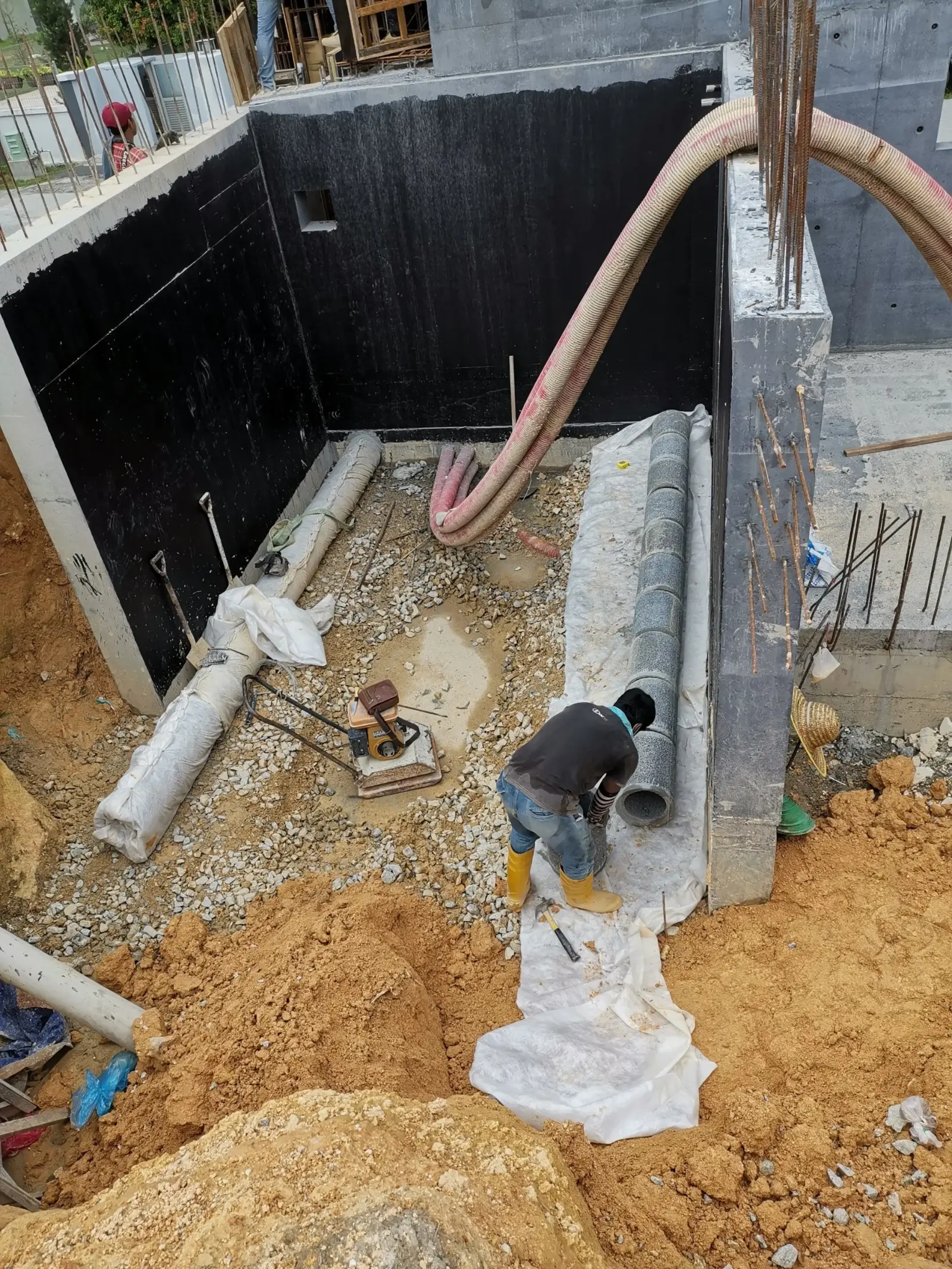
Retaining Wall
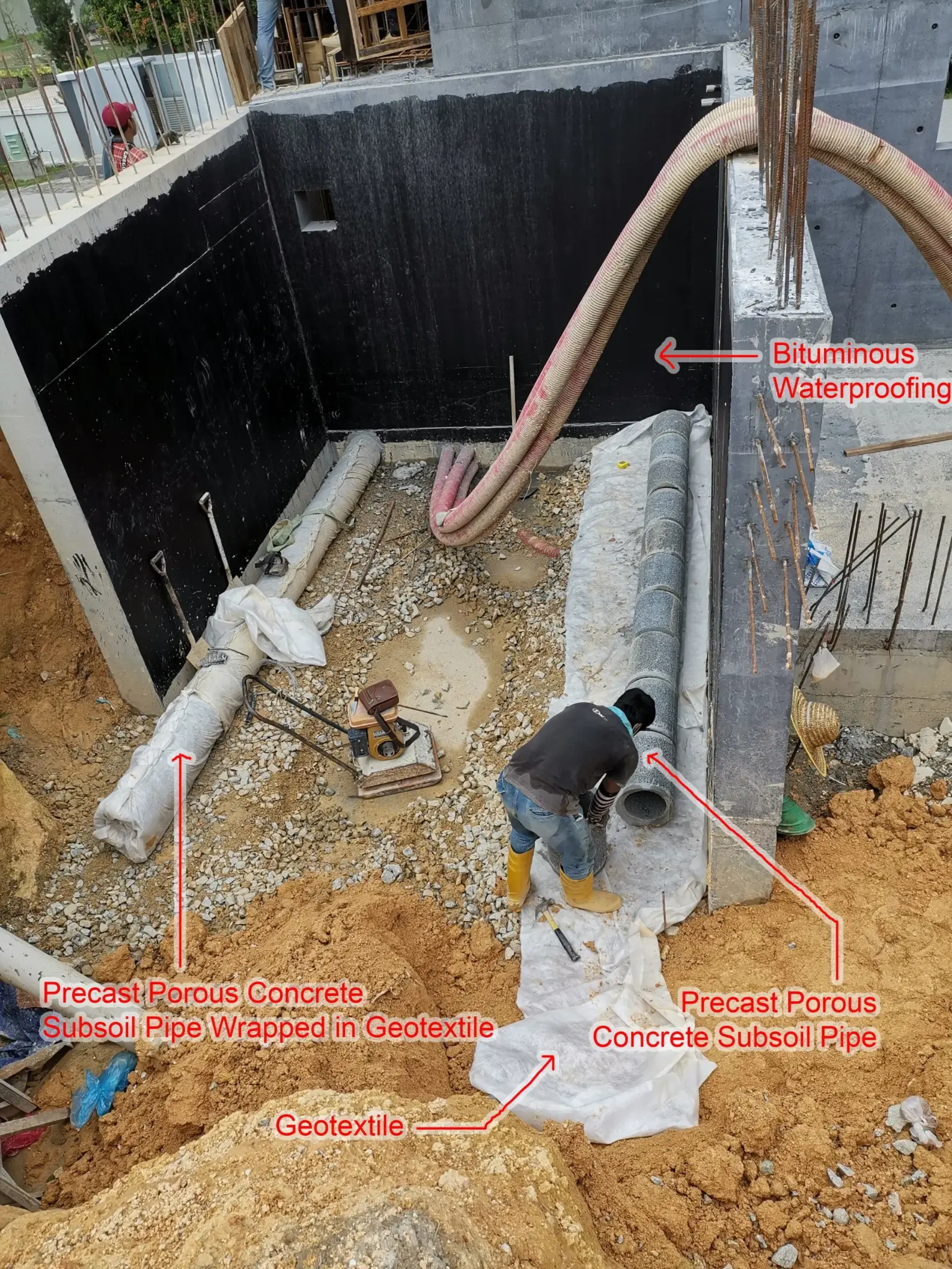
Bituminous Waterproofing – Applied along the whole inner side of the retaining wall, to prevent water going through
Precast Porous Concrete Sub-soil Pipe – To collect and discharge the excessive rainwater from the crusher run filtering down from the soil and the perimeter cordrain
Geotextile – A layer of permeable fabric material to cover up subsoil pipe, cordrain or any material that requires filtering; so that larger matter will not enter into the cordrain/subsoil pipe, causing the pipe the get stuck. It also provides additional protection to the wrapped material to not get damaged by the outer element
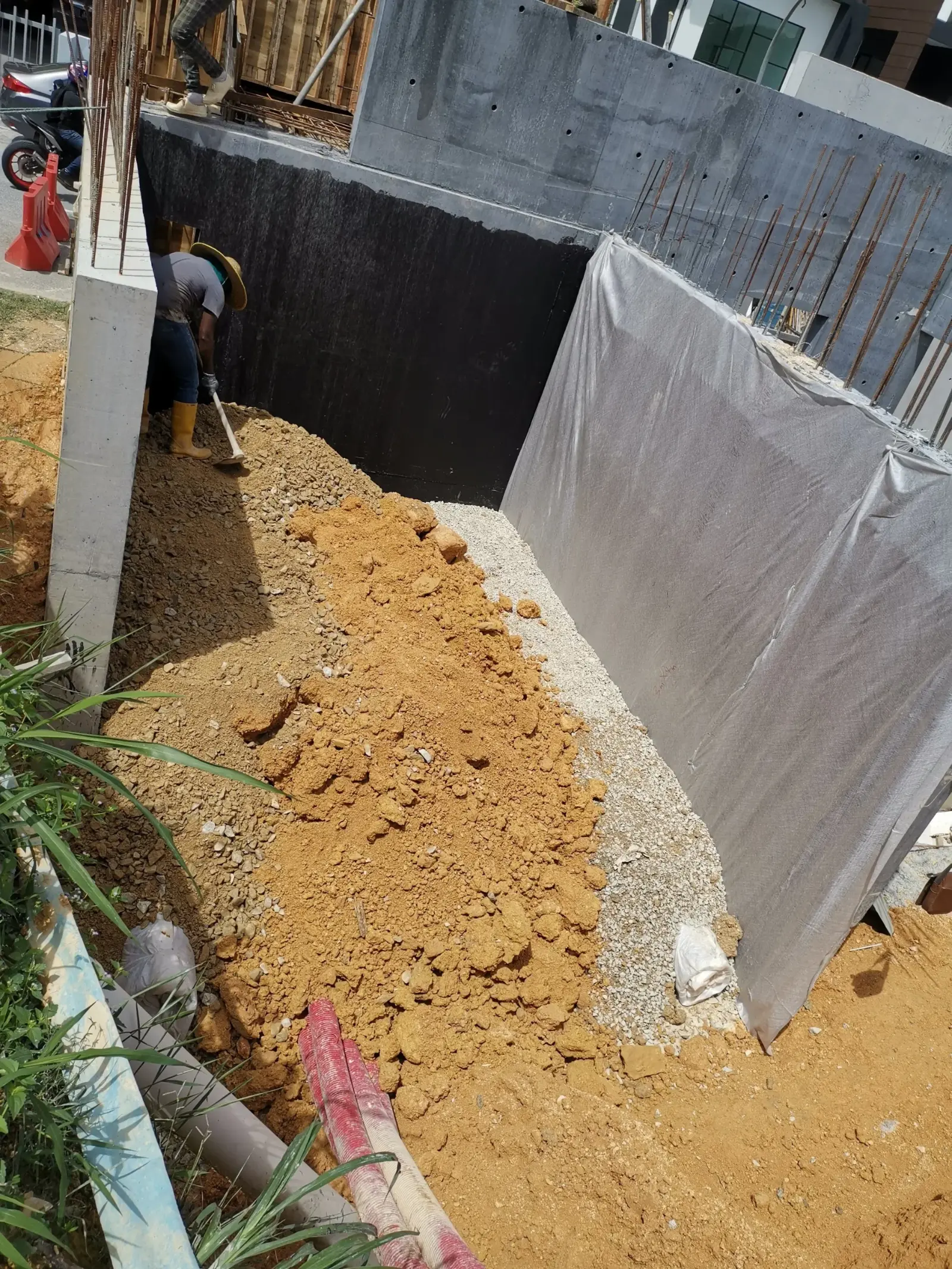
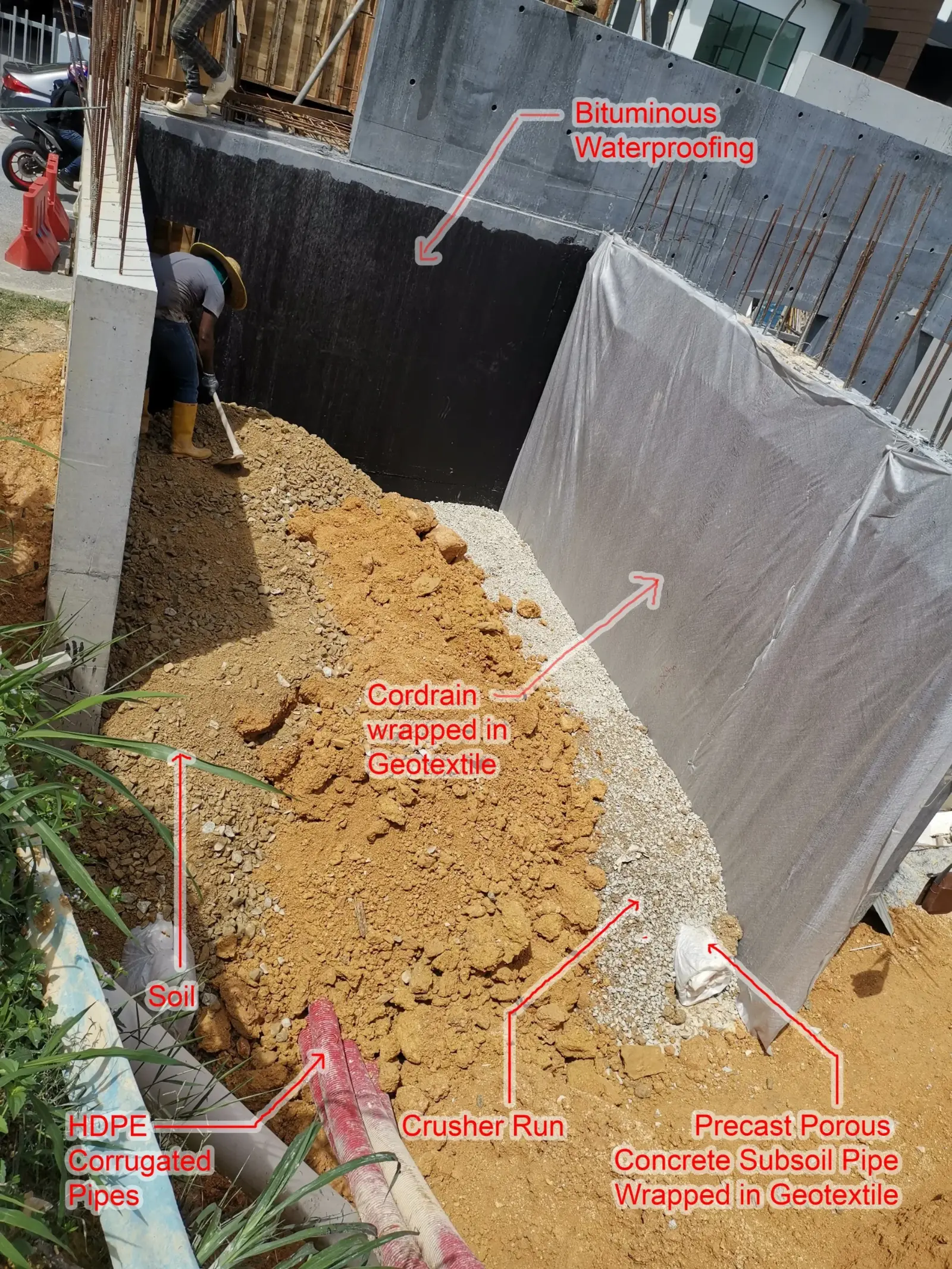
Cordrain – geocomposite drainage sheet laid vertically along the perimeter of the retaining wall in order to allow quicker drain off of soil surface water down towards the crusher run layer, into the subsoil pipe
HDPE Corrugated Pipes – 160mm diameter to 200mm diameter of corrugated pipes connected throughout the site for discharge of surface water runoffs
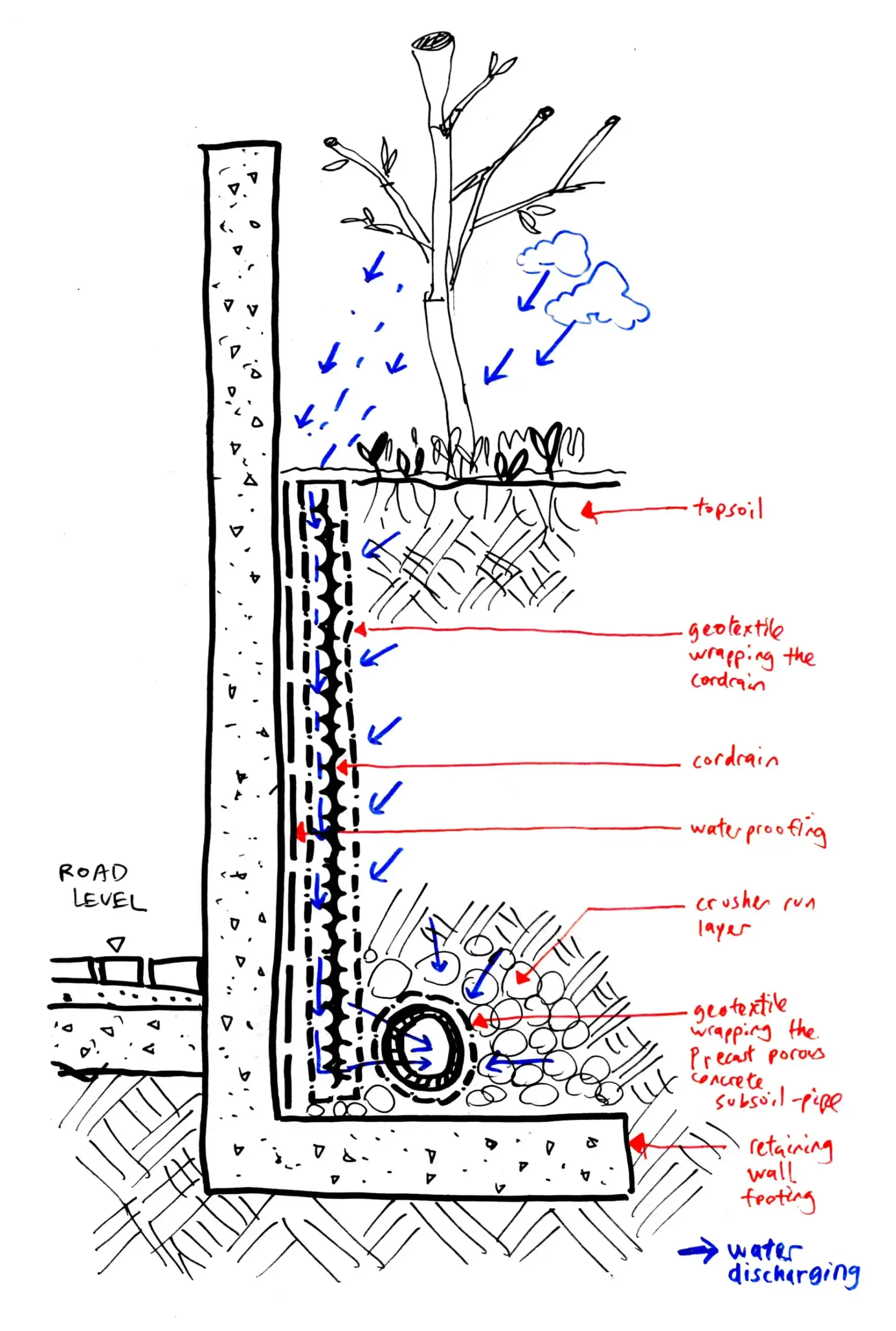
Retaining Wall Sketch
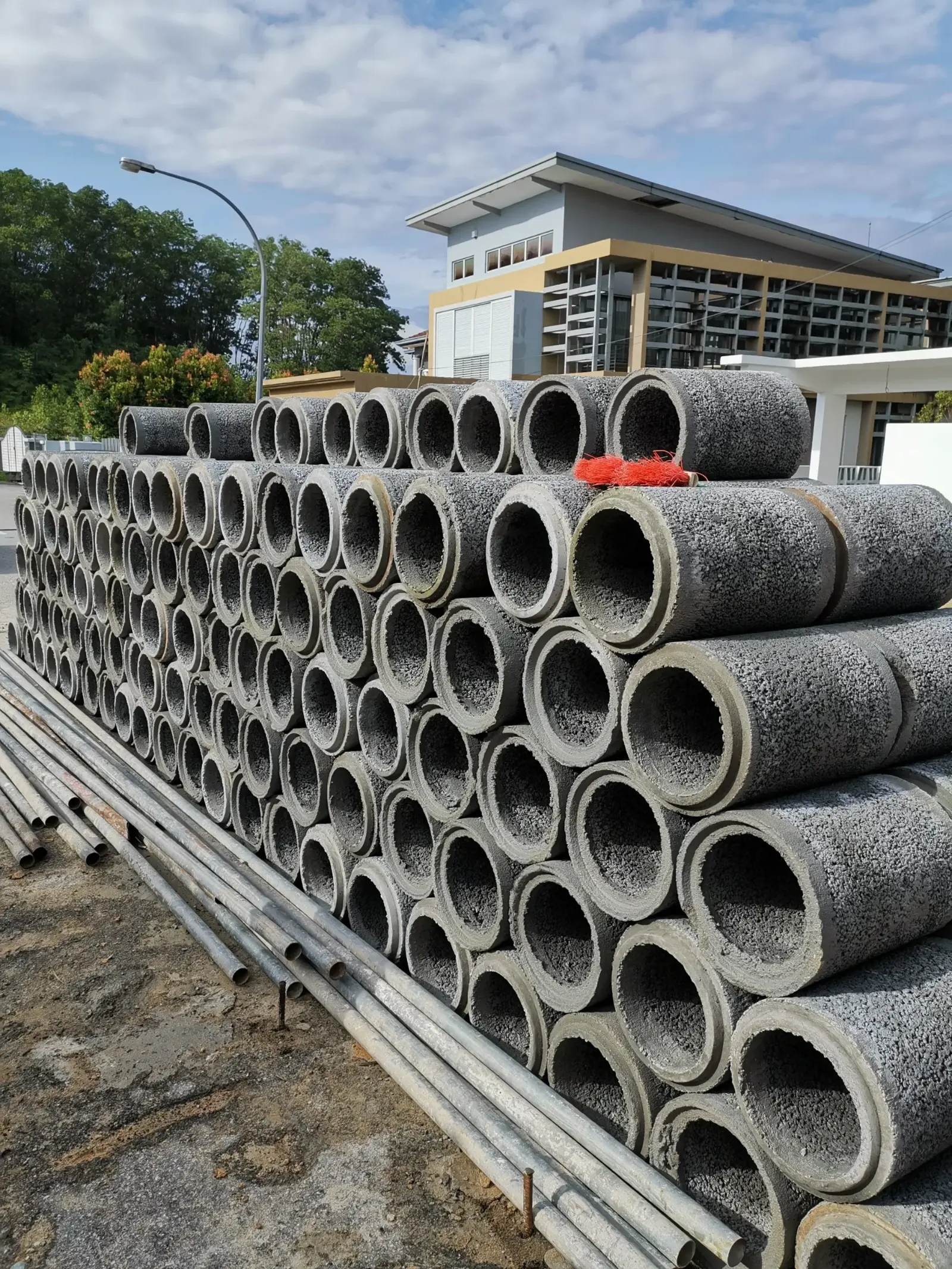
Precast Porous Concrete Subsoil Pipe
with 275mm diameter internal clearance
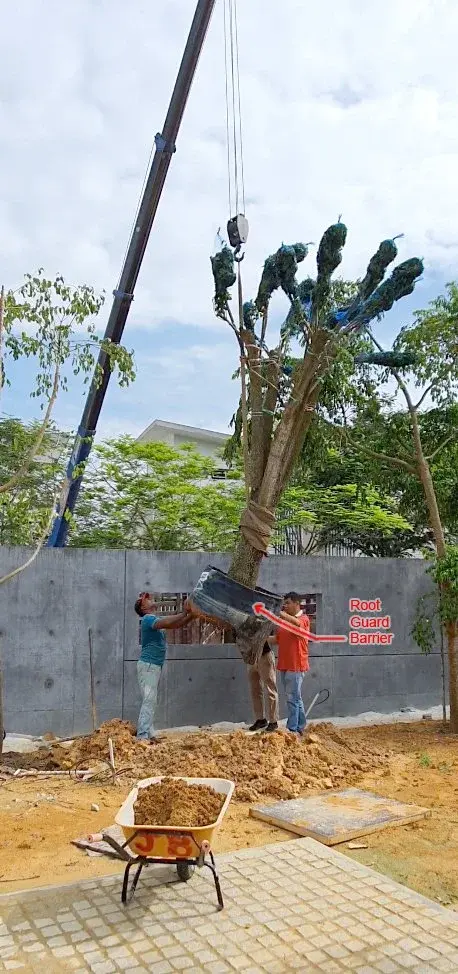
Tree Delivery

Surface of Cordrain
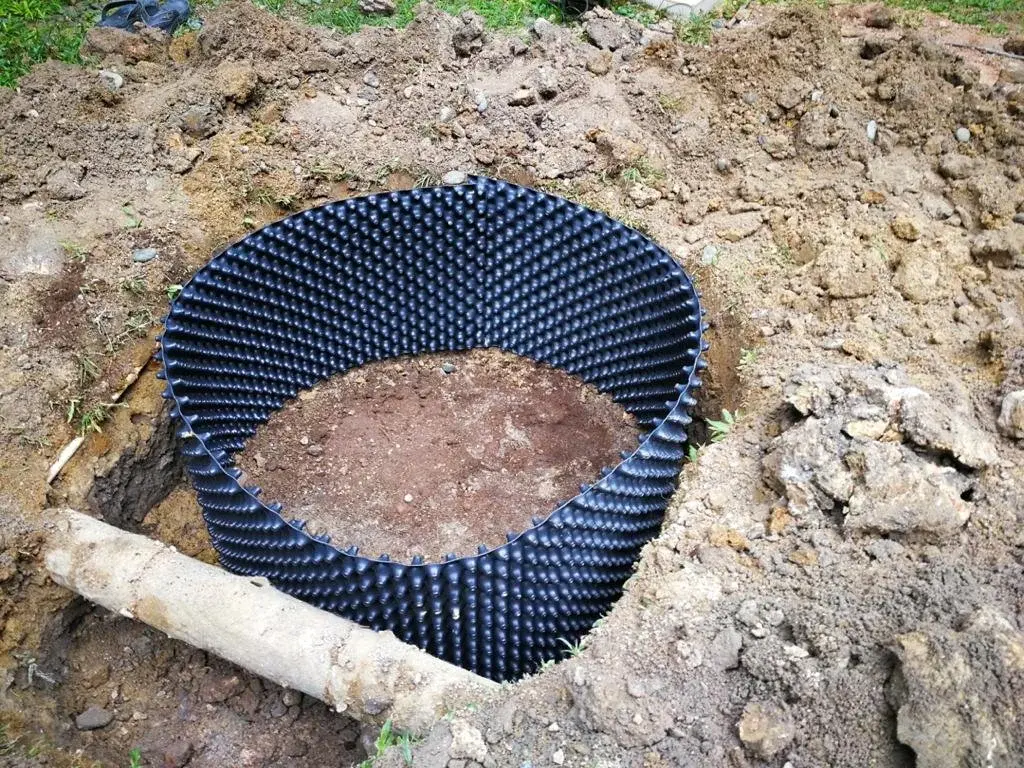
Cordrain wrapping around a planter
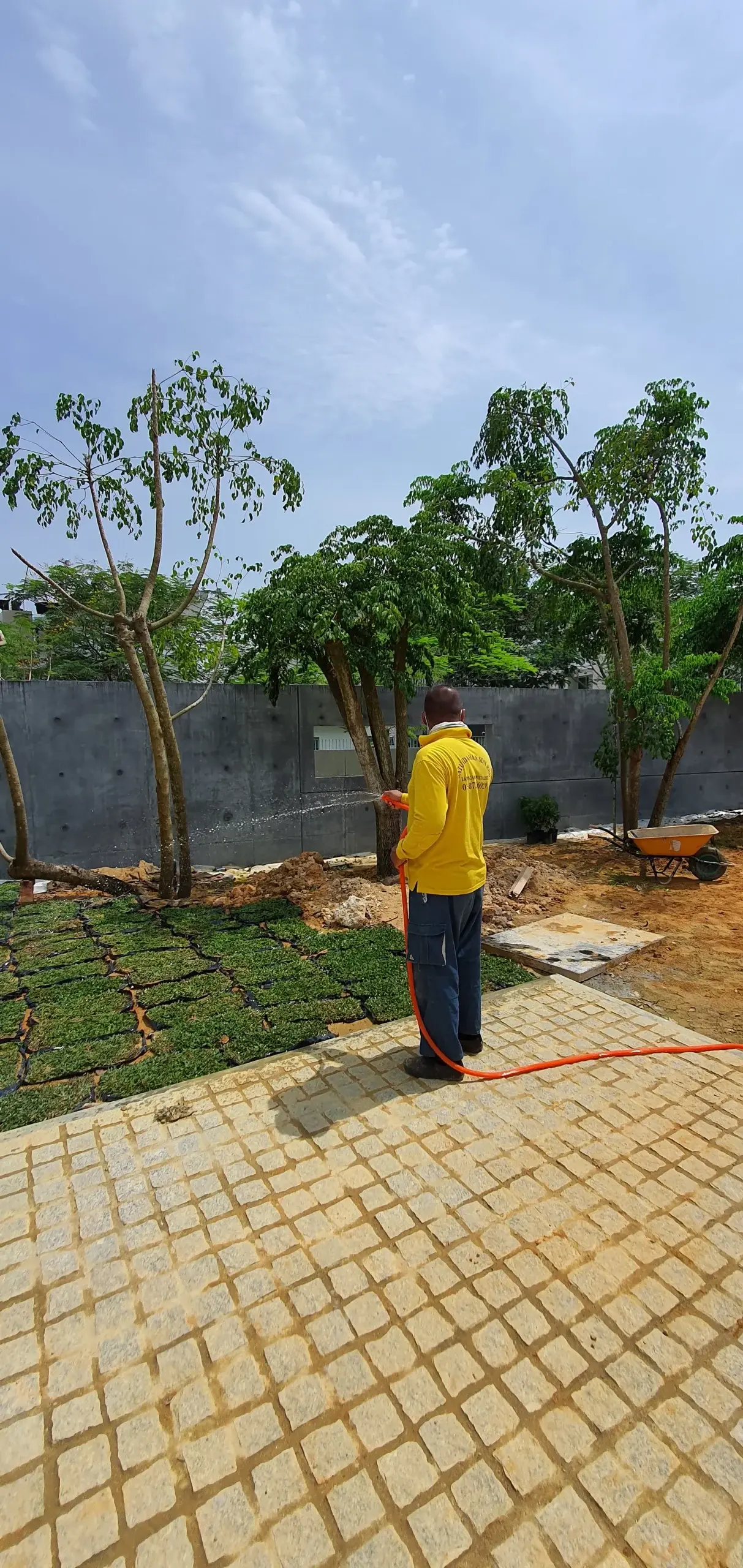
Watering and Grass Planting
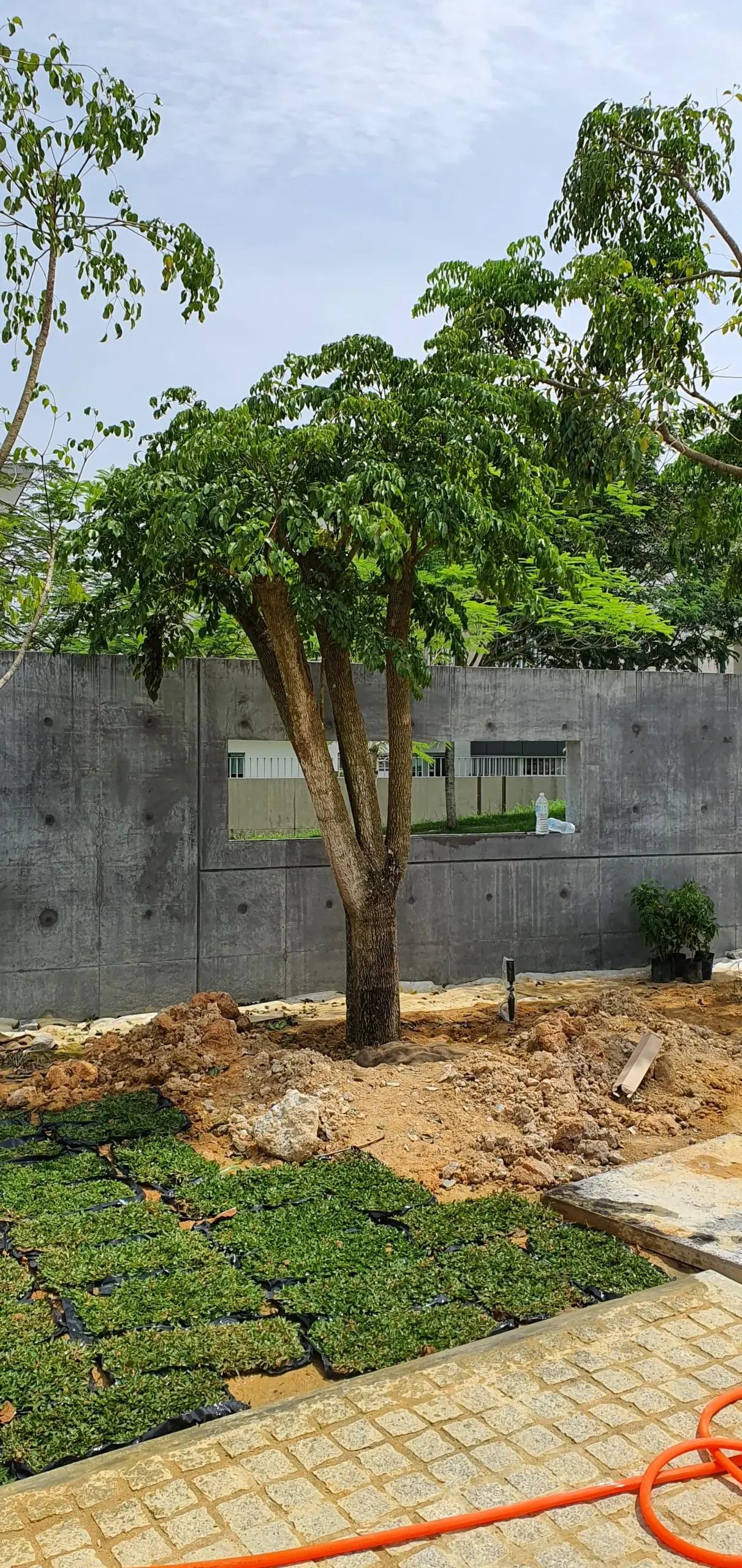
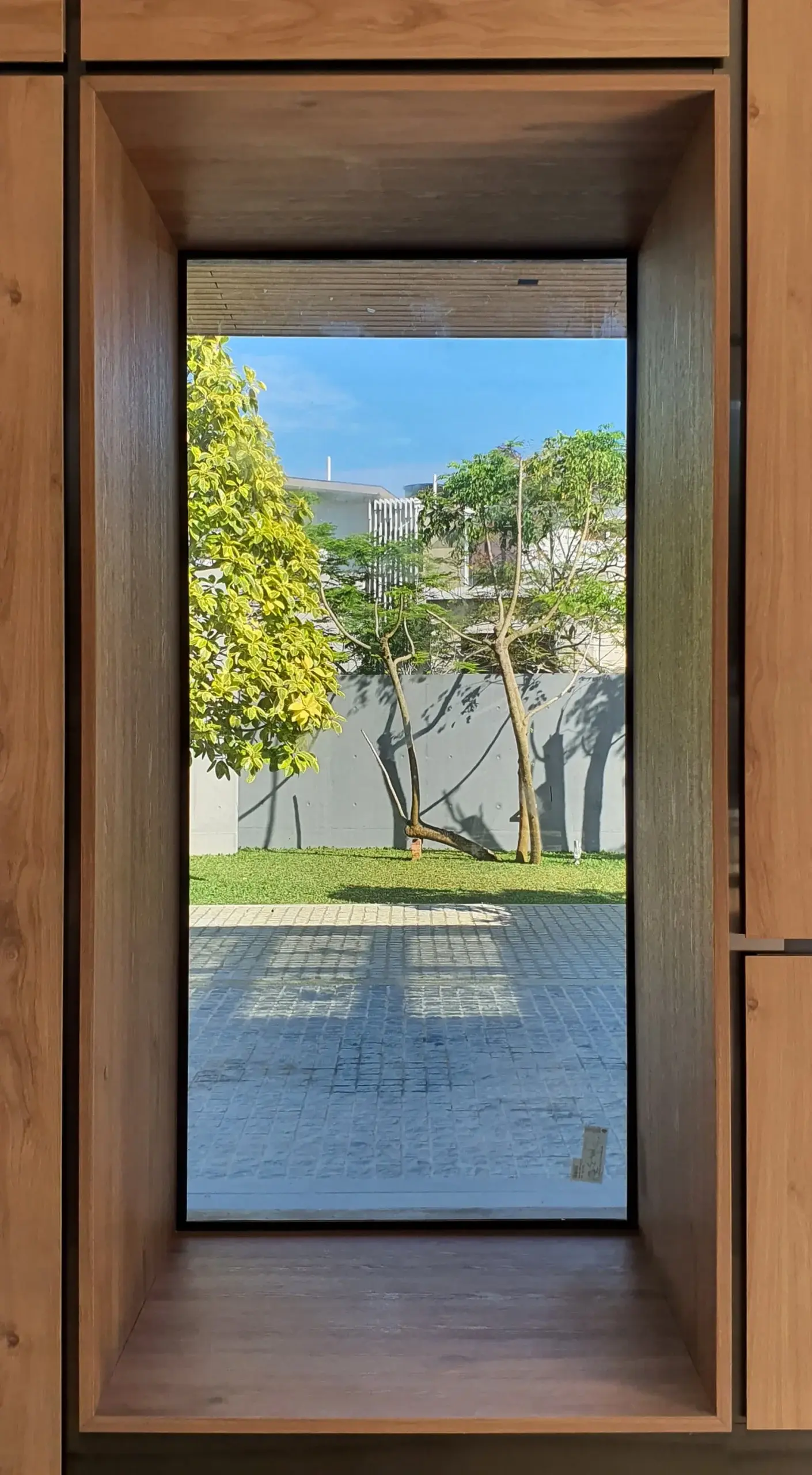
View from inside out towards the landscape
Scenario 5: Small Open Roadside Curb Planter
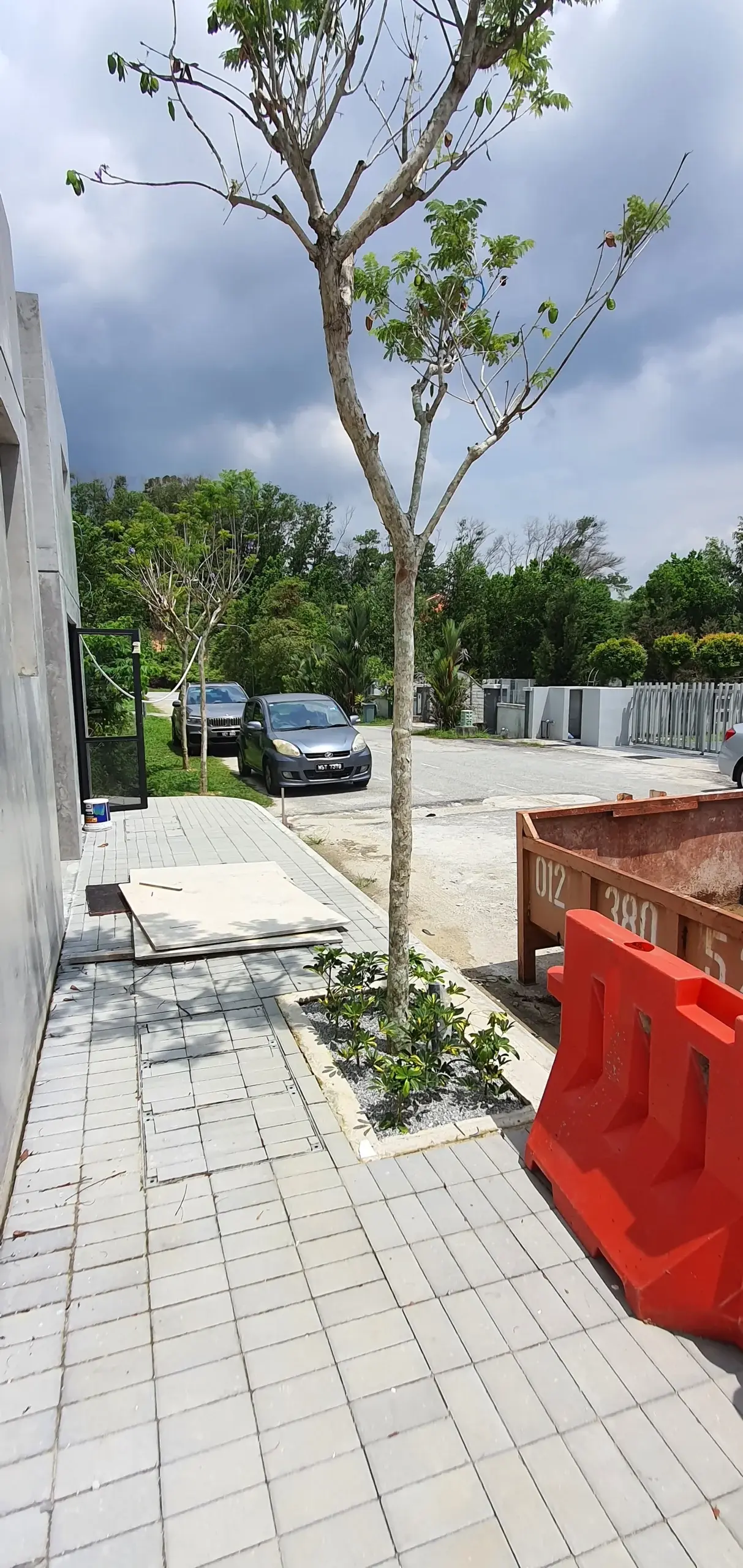
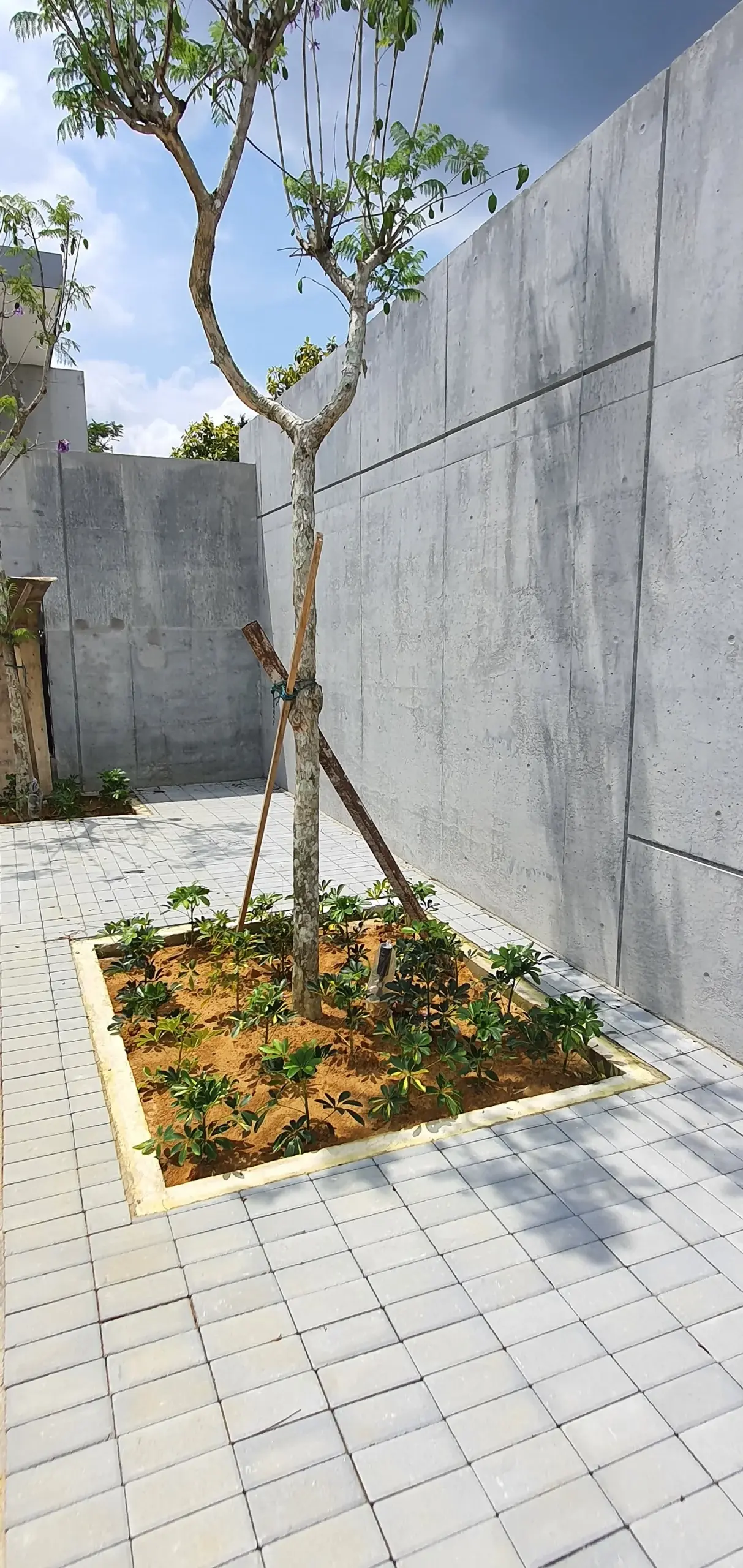
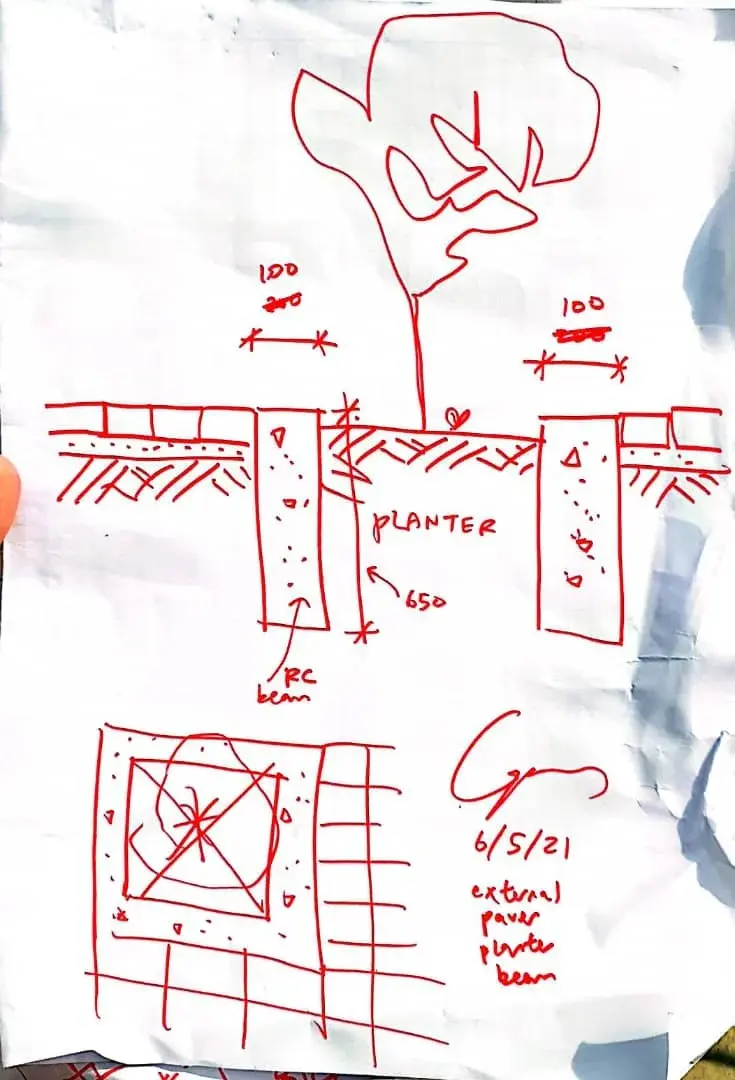
External road side planter design
As the paver is designed to use a standardized 100x200mm concrete paver block, it is more important for the planter to be sized accordingly so the edges could align with the 100 mm-sized paver finishes.
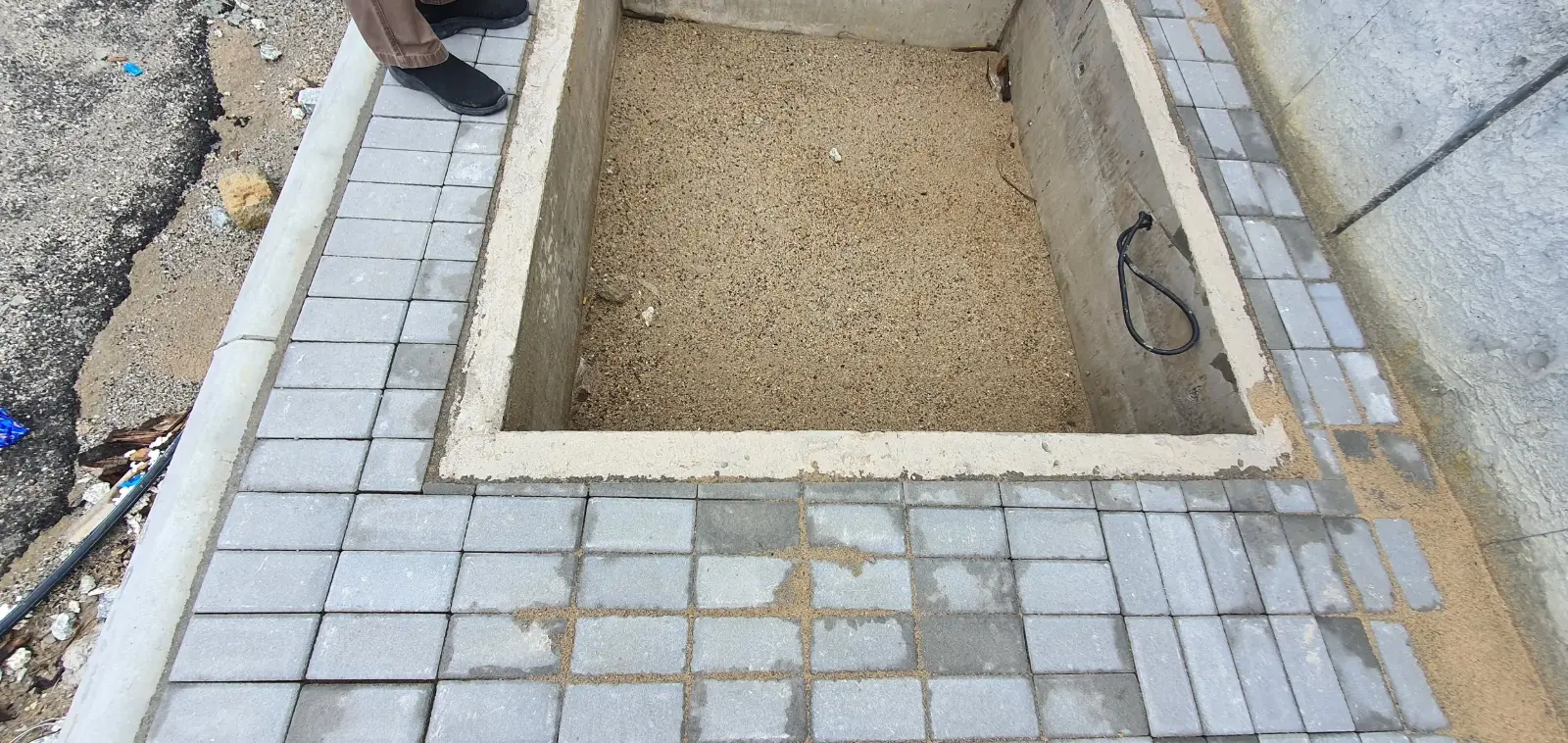
Roadside Open Planter
As this planter is located outside of the site boundary next to a public road, overflowing water could just fall along the paver finishes onto the road, and into the curbside drain inlet. Thus, there is no need to have overflowing pipes, nor we shall have too much concern with the water contained within. (we still allowed a layer of crusher to run beneath the sand layer to store a certain amount of water)
Since this is an open planter, no waterproofing is required as it is totally okay to have water going through the planter wall/beam and discharge directly onto the earth beneath.
As the paver is designed to use a standardized 100x200mm concrete paver block, it is more important for the planter to be sized accordingly so the edges could align with the 100 mm-sized paver finishes.
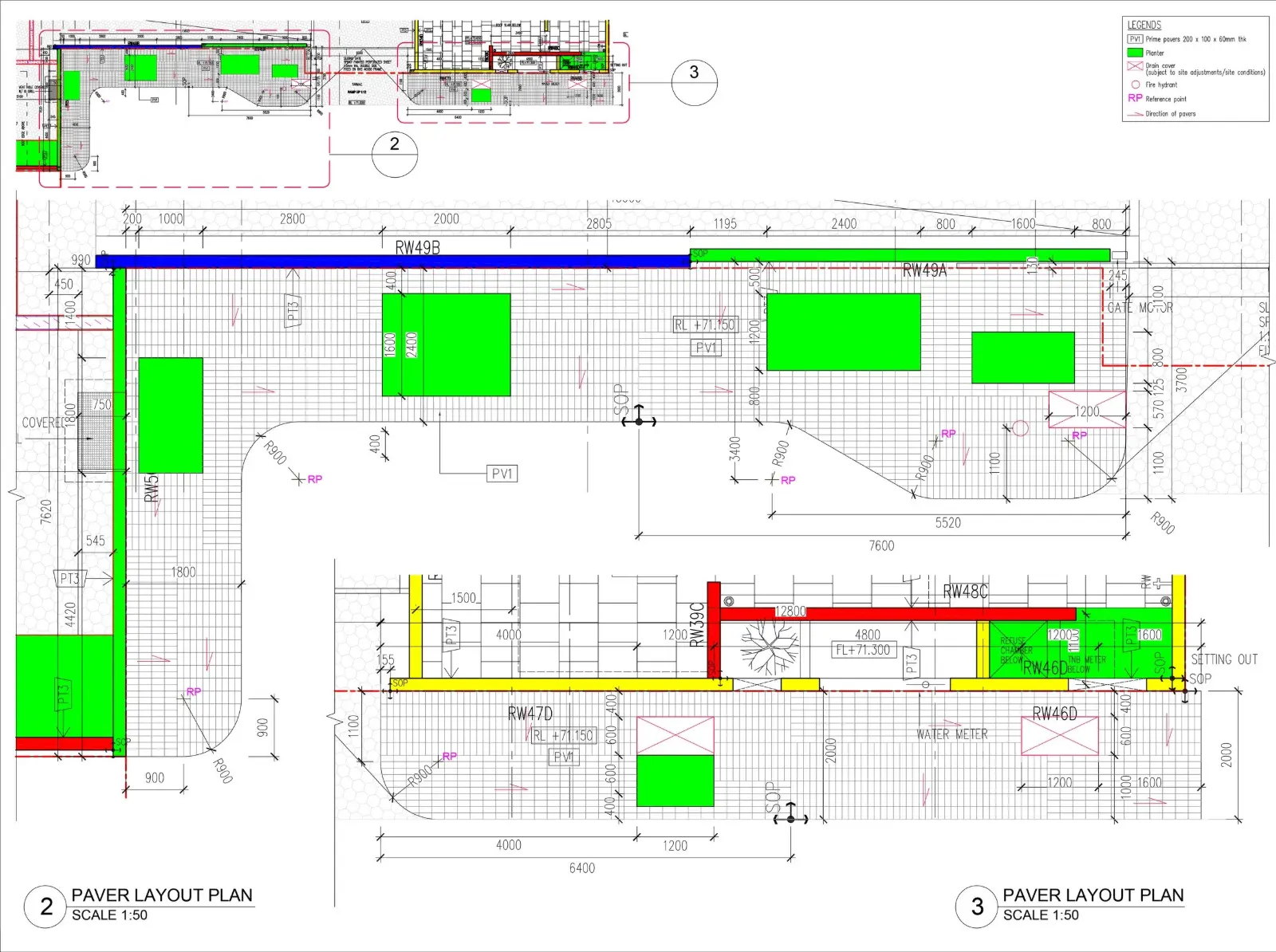
Detailed setting out and laying of the standard 100x200mm-sized concrete pavers, in relationship with the sizes of the open planters
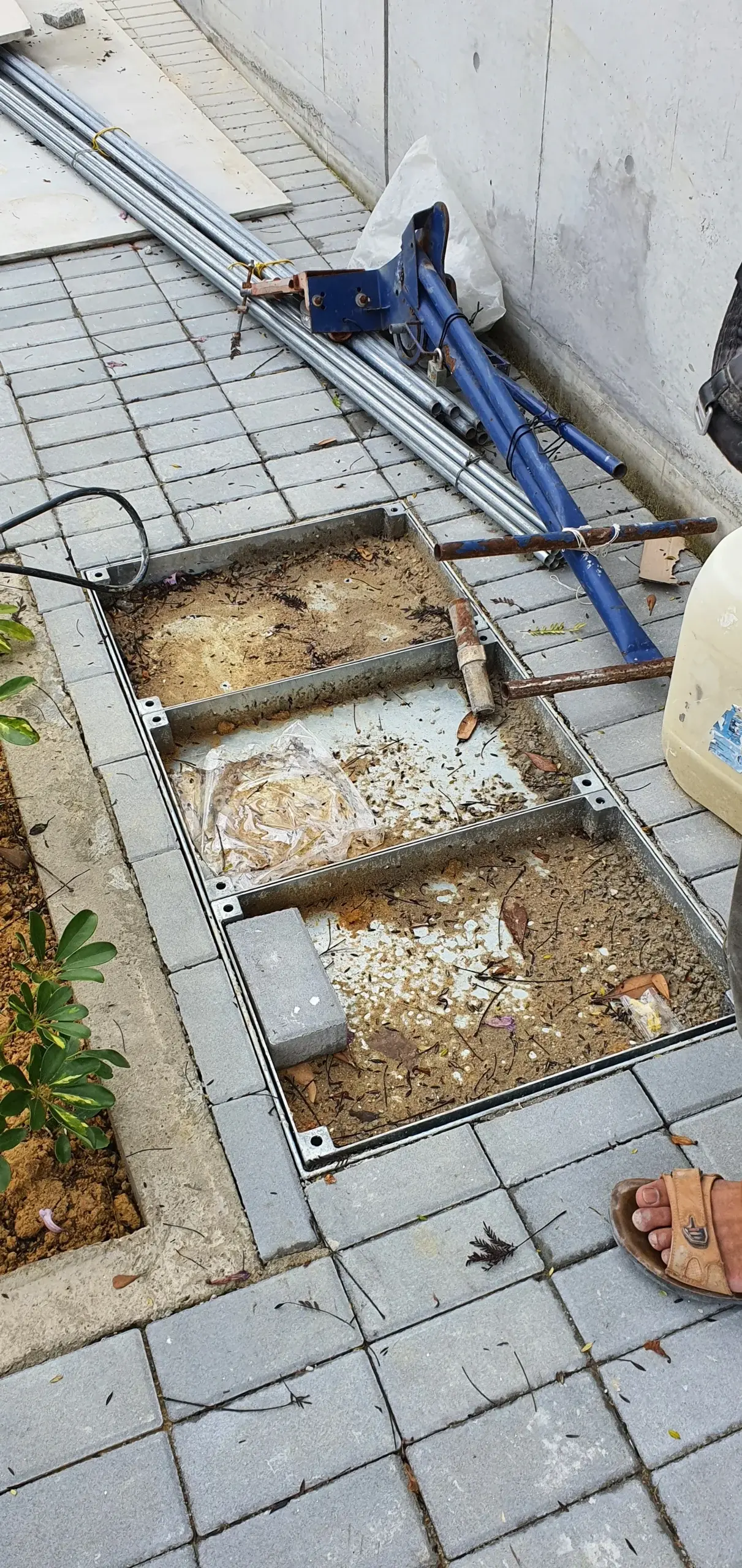
Drain Cover
Width, Length, Depth of the drain cover is entirely determined by the standard sizes of the paver finishes (concrete paver of 100x200mm)
The drain cover sizes are further divided into 3 pieces to control the weight of the cover to be light enough to be able to open up for maintenance, yet heavy enough for it to be hard be stolen
With the examples of 5 scenarios above, I believe you would have sufficient info to customize the way of designing planters that suit the specific context of your project
here are some questions you may ask when designing a planter:
1. What’s the planter box for? does it have more function beyond housing plants? (seating, privacy, shading, etc)
2. what type of plant is to be in the planter box? shrubs or big trees with huge roots? how much water does the planter box need to contain?
3. should the planter box be raised, sunken, open, or closed?
4. how would the planter box discharge its internal water?
5. Do we need to worry about the planter box getting overflowing with rainwater? How fast should the water within the planter be discharged away?
6. Do we need to planter box to be waterproofed? from within or from outside?
7. whats the finishes on top of the planter box and its surrounding?
8. Is there any lighting design to integrated with the planter box or with the plants themselves?
9. how would the plants get irrigated? automated sprinkler, garden tap, or manual pale watering?